Best Paint Protection Film for North Carolina Summers: A Cornelius, NC Driver's Guide
North Carolina summers put vehicles through a lot. Blazing direct sunlight during long commutes down I-77. Heavy humidity that never seems to let up from May through September. Thunderstorms that bring down branches and debris onto parked cars. Highway gravel kicked up on every trip to Charlotte or Mooresville. Lake-reflected sun bouncing off Lake Norman at noon. Unprotected paint takes quiet, cumulative damage from every single one of these forces, and by the time the oxidation and rock chips become visible, the clear coat is already past the point of easy recovery.
This is exactly why Paint Protection Film in Cornelius, NC has become one of the most important upgrades for drivers around the Lake Norman area. A quality PPF installation handles the specific threats North Carolina summers deliver, from UV-driven oxidation to rock impacts from highway debris. This guide walks through the best Paint Protection Film options for North Carolina summers, what features actually matter in this climate, and how to choose an installation that genuinely performs through humid, hot, and harsh summer conditions. Champion Window Tinting has been helping drivers across the Lake Norman region make these decisions since 2001.
Why North Carolina Summers Are Harder on Paint Than Most Drivers Realize
North Carolina summers are not the hottest in the country, but they may be the hardest on automotive paint. The combination of direct sun, persistent high humidity, regular thunderstorms, and heavy commuter traffic creates a climate that chips away at unprotected finishes in ways drivers rarely connect to the weather.
The Three Summer Threats Your Paint Actually Faces
Three distinct forces work against your vehicle every summer day in North Carolina. UV radiation breaks down clear coat at a molecular level, leading to fading, chalkiness, and eventual oxidation. The Lake Norman area gets high UV exposure thanks to long summer days and open-sky driving along lake corridors and highways. Physical debris includes rock chips from I-77 and I-85, tree branches during storms, and the sand and grit kicked up by construction traffic throughout the growing Cornelius region. Chemical contamination comes from bird droppings, tree sap, love bugs during migration seasons, and the harsh cleaning products used at drive-through washes when drivers rush to remove any of the above.
Each threat alone would be manageable. All three hitting your paint every day for four to six months is what actually does the damage.
How Humidity Multiplies Summer Damage
This is the factor most drivers miss. Humidity does not damage paint directly, but it amplifies every other form of damage. Humid conditions trap contaminants against the paint surface for longer, which gives bird droppings and tree sap more time to etch into the clear coat. Humidity also accelerates the oxidation process on UV-damaged paint. Dry heat in states like Arizona is hard on paint in its own way, but the wet heat of a North Carolina summer causes different problems that require different solutions, and that is exactly where the right Paint Protection Film makes all the difference.
What Paint Protection Film Actually Is and How It Works
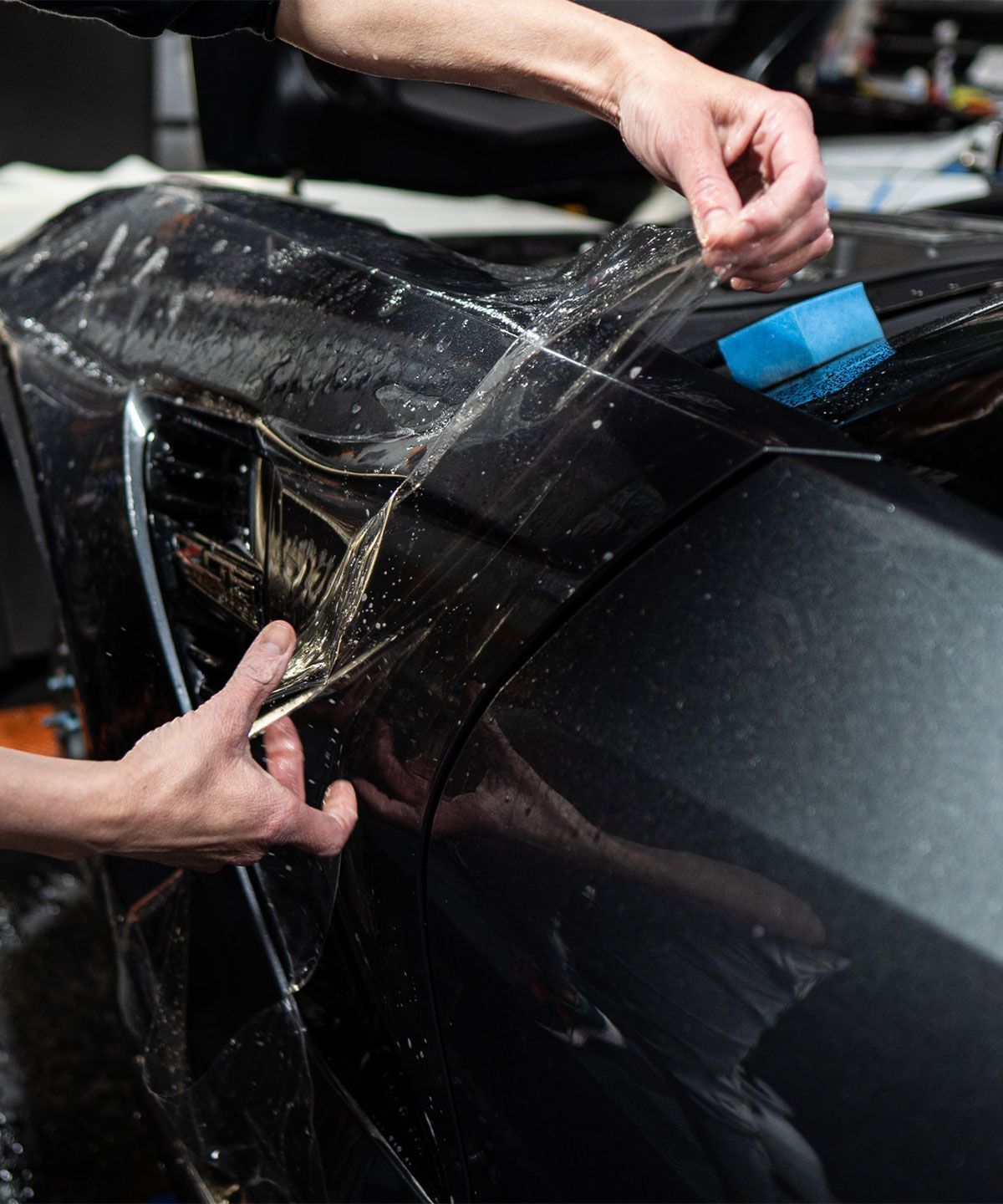
Paint Protection Film, often called PPF or clear bra, is a clear urethane film applied directly to the painted surfaces of your vehicle. Once installed, the film is nearly invisible but tough enough to absorb real damage on your behalf. Think of it as a sacrificial skin that takes the hits so your factory paint does not have to.
The Materials Behind Modern PPF
Modern Paint Protection Film is made from thermoplastic polyurethane, or TPU. The material is engineered to absorb impact, stretch under stress without tearing, and resist both physical damage and environmental contamination. The film itself is built from several bonded layers. A clear topcoat resists stains, chemicals, and hydrophobic surface contamination. A thicker urethane body handles the physical punishment. An adhesive base bonds the whole thing permanently to the paint. Modern formulations also include UV inhibitors built directly into the film layers, which means the film itself actively blocks ultraviolet radiation from reaching the paint beneath.
How PPF Compares to Ceramic Coating for Summer Protection
Many drivers confuse PPF with ceramic coating, and the two products are genuinely different. Ceramic coating is a liquid polymer that chemically bonds to your paint, creating a hard hydrophobic surface layer that repels water, dirt, and chemical contamination. PPF is a thick physical film that absorbs impacts, resists chemicals, and blocks UV. Both are excellent. They serve different purposes.
For North Carolina summer conditions specifically, PPF matters most on the front of the vehicle where rock chips and debris hit hardest. Ceramic coating adds value everywhere else because it protects against chemical contamination and makes maintenance easier. Many Lake Norman drivers invest in both, with paint protection film PPF on the front end and ceramic coating over the entire vehicle including on top of the film itself.
The Top PPF Options for North Carolina Summers
Not all Paint Protection Film is built the same. The finish type, film quality, and feature set all determine how the product performs over a North Carolina summer. Here are the main PPF categories available today and what each one delivers.
Clear Gloss Paint Protection Film
Clear gloss PPF is the classic option and remains the most popular choice for Cornelius, NC drivers. The film is completely transparent once installed, which means your factory paint color shows through without any visible change. The topcoat enhances the natural gloss of the paint, often making treated panels look even more vibrant than they did before installation. For drivers who love their vehicle's color and want protection without any cosmetic change, clear gloss is the standard choice.
Satin and Matte Paint Protection Film
Satin and matte PPF transform a glossy vehicle into a flat or low-sheen finish. This is a popular choice for drivers who want a stealthier appearance without committing to a full repaint in a matte color. The same protective properties apply, so you get full impact resistance, UV blocking, and chemical defense along with the finish change. North Carolina drivers who want their vehicle to stand out in a refined rather than flashy way often gravitate toward this option.
Self-Healing Paint Protection Film
Most premium Paint Protection Film on the market today includes self-healing technology. The urethane topcoat is engineered to return to its original shape when exposed to heat, which means light scratches and swirl marks disappear on their own. Sunlight, warm water from a hose, or a heat gun pass all trigger the healing process.
How Self-Healing Film Handles Summer Heat
North Carolina summer heat actually works in your favor when you have self-healing PPF. The film heals faster and more completely in hot conditions, so minor surface imperfections that accumulate during summer driving often disappear on their own while the car sits in your driveway. This is one of the under-discussed advantages of installing PPF before summer hits rather than waiting until fall.
Color Paint Protection Film
Color PPF is the newest category and one of the most exciting options available. Rather than staying transparent, color PPF comes in a wide range of finishes including gloss colors, matte colors, chrome deletes, and color-shift effects. The film delivers the same protective performance as clear PPF while completely transforming your vehicle's appearance. Because the color lives in the film itself, the change is fully reversible later if you decide to sell the vehicle.
Which PPF Features Matter Most for North Carolina Climate
Film brands compete on dozens of specifications, but only a few of those specifications actually matter for North Carolina summer conditions. These are the features worth paying attention to when comparing quotes from different shops.
UV Inhibitor Strength
The single most important feature for North Carolina summers is the UV blocking capability built into the film. Premium PPF products from established manufacturers include chemical UV inhibitors rated for full-duration protection throughout the film's warranty period. Budget films often skip this or use weaker formulations that break down within two to three years under sustained UV exposure. When the UV inhibitors fail, the film itself starts yellowing and the paint underneath loses its protection. Ask any shop exactly what UV rating comes with the film they install before committing.
Hydrophobic Topcoat Performance
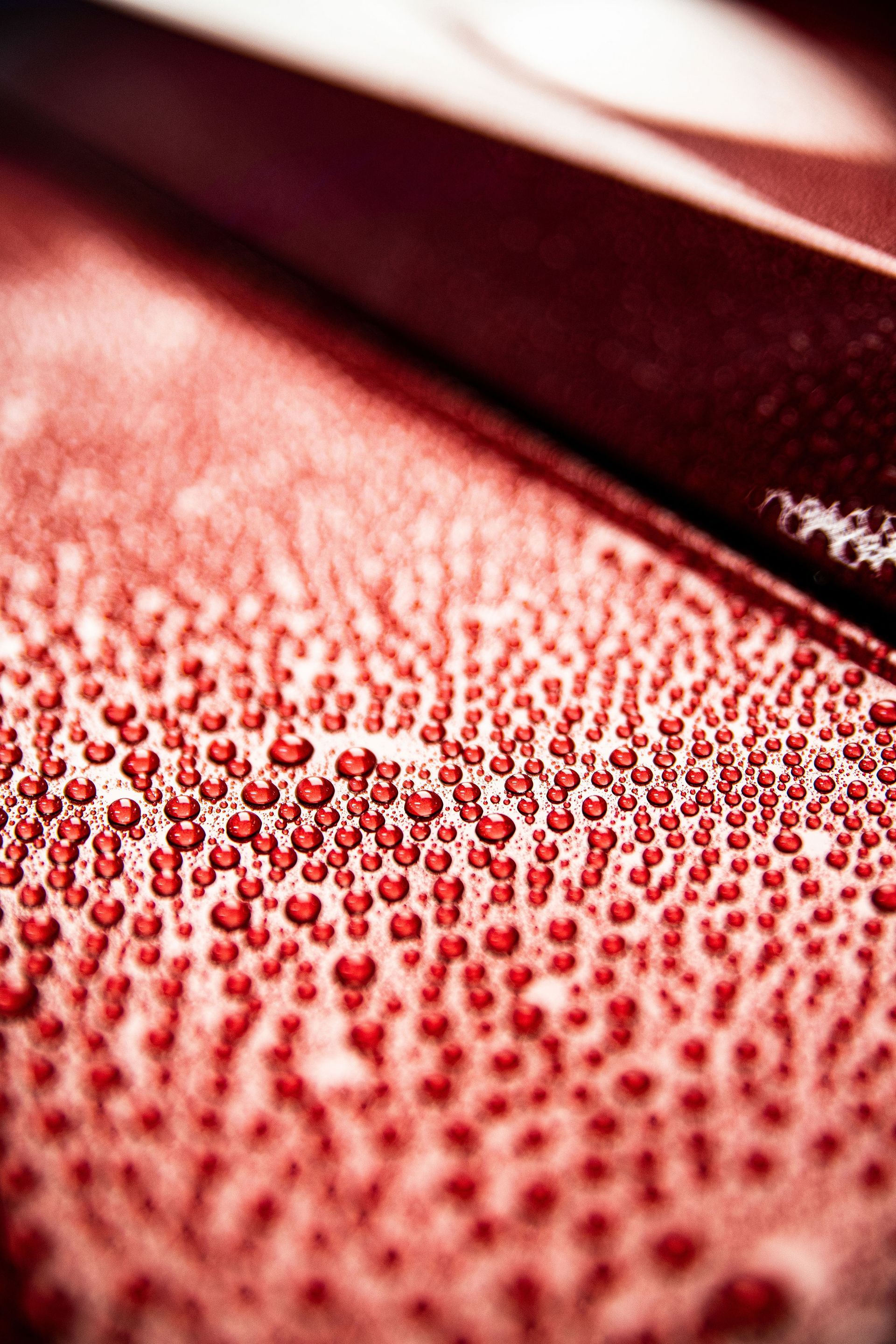
In a humid climate, a hydrophobic topcoat is genuinely functional rather than cosmetic. Quality PPF topcoats bead water aggressively, which means rain and humidity roll off the film rather than sitting against the surface. That matters because standing water carries contaminants, and any contaminant left on a surface long enough will eventually etch in. Champion Window Tinting works with film products that include strong hydrophobic properties specifically because the Lake Norman climate makes this feature so important.
Heat Resistance and Adhesive Stability
Film is only as good as the adhesive holding it to the paint. Cheap films use adhesive formulations that soften and shift in summer heat, which creates the bubbling and edge lifting drivers see on failed installations. Professional-grade PPF uses heat-stable adhesives engineered to stay bonded through full summer temperature cycles without any loss of grip. This is one of the main reasons budget PPF installations fail within the first summer in the South, while premium film holds up for years.
Coverage Options That Work Best for Summer Driving
Coverage matters almost as much as film quality. Where you apply the film determines what you actually protect and what you leave exposed.
Front-End PPF Packages
A front-end package typically covers the front bumper, hood, front fenders, headlights, and side mirrors. This combination catches the overwhelming majority of highway debris impacts, which is why front-end coverage remains the most popular entry point for PPF in Cornelius, NC. For drivers on I-77 regularly, the front-end package is the minimum protection investment that genuinely pays back through preserved paint and resale value.
Full Body Paint Protection Film
Full body PPF wraps every painted surface on the vehicle. It is more expensive by a wide margin, but for luxury vehicles, daily drivers that accumulate significant mileage, and cars with hard-to-match paint colors, the math often works out over several years of ownership. Many Tesla and luxury vehicle owners around Lake Norman choose full body coverage because their paint is particularly soft and vulnerable to chipping without protection.
Targeted Protection Zones for Lake Norman Drivers
Beyond front-end and full body packages, several targeted coverage zones work well for Lake Norman area driving. Rocker panels catch the sand and debris kicked up by front wheels, which is relevant on lake roads and rural highways around Mooresville and Davidson. Door edges prevent the small paint chips that happen in parking lots. Door cups behind the handles block the fingernail wear that slowly strips paint over years of daily use. Rear bumper tops catch luggage damage from loading and unloading gear for boating trips. Any qualified installer of PPF in Cornelius, NC can walk you through which zones make sense based on how and where you actually drive.
What to Look for When Choosing a PPF Installer
The best film in the world performs poorly if the installation is rushed, done in dusty conditions, or handled by someone without real experience. Installation quality matters as much as product quality, and this is where many drivers get disappointed by budget shops offering PPF at prices that seem too good to be true.
A qualified installer works in a controlled, climate-regulated environment that keeps dust and debris from getting trapped under the film. They perform thorough paint decontamination and often light paint correction before applying any film, because you never want to lock imperfections beneath PPF. They use computer-cut templates specific to your exact vehicle make, model, and year, or they hand-cut the film with years of experience. And they stand behind their work with meaningful written warranties that cover bubbling, peeling, delamination, and yellowing for the full expected lifespan of the film.
Champion Window Tinting operates exactly this kind of setup in Cornelius, NC because the shop has spent over two decades refining what a quality PPF installation actually requires. Family-owned since 2001, the team has installed film on everything from daily commuters to Teslas, Porsches, and exotic vehicles, which is the kind of breadth that shows up in the quality of every installation that leaves the shop.
Common Mistakes Drivers Make With Summer PPF Installations
Most PPF disappointment traces back to a handful of common mistakes. Avoiding them is straightforward once you know what to watch for.
Waiting until the paint is already damaged.
The ideal time to install PPF is as close to purchase as possible, while the paint is still in factory condition. Installing film over existing rock chips, swirl marks, or oxidation locks those imperfections in. If you wait until summer to install PPF, plan for light paint correction first so you are not sealing damage under the film.
Choosing film based on price alone.
Budget films without proper UV inhibitors and adhesive stability fail fast in North Carolina summers. The money saved upfront gets spent twice when the failed film needs to be removed and replaced within two years.
Skipping the installer vetting process.
Great film installed poorly is worse than mid-grade film installed well. Ask to see completed work, ask about the installation environment, and ask exactly what warranty terms come with the job. Shops that hesitate on these questions are often the ones producing the results drivers regret.
Assuming PPF eliminates all maintenance.
Paint Protection Film is genuinely low maintenance but not zero maintenance. Washing with pH-neutral shampoo, avoiding automatic car washes with stiff brushes during the first few weeks, and spot-cleaning bird droppings and tree sap promptly all extend the life of any installation. Champion Window Tinting provides written aftercare guidance with every installation because the small habits matter for long-term performance.
Conclusion
Choosing the best Paint Protection Film for North Carolina summers comes down to three decisions. The first is choosing a film with strong UV inhibitors, a high-performing hydrophobic topcoat, and heat-stable adhesive engineered for climates like ours. The second is selecting the right coverage package for how you actually drive, whether that is a front-end package for daily commuters or full body coverage for luxury vehicles that deserve complete protection. The third is working with an installer who operates in a controlled environment, uses proper prep work, and stands behind the work with a meaningful warranty.
For drivers across Cornelius, Mooresville, Davidson, Huntersville, and the broader Lake Norman area, Champion Window Tinting brings over twenty years of hands-on experience, certified installation credentials, and premium film products built to handle exactly what North Carolina summers deliver. Quality PPF is not a luxury upgrade. It is a practical investment that preserves your vehicle's appearance, protects its resale value, and handles the daily abuse of North Carolina driving so your paint does not have to.
Ready to Protect Your Paint Before This Summer Hits Full Force?
The earlier in the season you install PPF, the more summers of protection you get out of every dollar. Champion Window Tinting in Cornelius, NC walks drivers through film options, coverage packages, and exactly what works for your specific vehicle. Stop by the shop to see completed installations in person, compare film samples, and get a written quote that explains everything included. Twenty-four years of Lake Norman experience means you will leave with real answers, not guesses.
Frequently Asked Questions
1. How long does Paint Protection Film last in North Carolina's humid summer climate?
Quality PPF installed professionally lasts between five and ten years in North Carolina conditions. Premium films backed by manufacturer warranties often include coverage for that full duration. Budget films may begin showing yellowing, adhesive failure, or edge lifting within two to three years, particularly in areas with heavy UV exposure and humidity.
2. Can I apply Paint Protection Film over an existing ceramic coating?
PPF should be applied directly to clean, decontaminated paint rather than over a ceramic coating. A proper installation sequence is PPF first, then ceramic coating on top of the film if both products are being used. Installing PPF over ceramic compromises adhesion and reduces film lifespan significantly.
3. How soon after buying a new car should I install PPF?
As soon as possible, ideally within the first few weeks of ownership. Factory-fresh paint is the ideal surface for PPF because there are no existing imperfections to lock in. Waiting months or years means paint correction is usually needed before installation, which adds to the total cost and time.
4. Does North Carolina humidity affect the curing process during summer installations?
Humidity does not prevent curing but it can slow the adhesive bonding process slightly. Professional shops control installation environment humidity and temperature precisely to maintain consistent cure times regardless of outdoor conditions. This is one of several reasons a controlled indoor installation bay matters more than many drivers realize.
5. Will PPF still protect my paint if I regularly drive dirt roads around the Lake Norman area?
Yes, PPF is actually ideal for drivers who spend time on unpaved roads or gravel trails. The film absorbs impacts from loose debris that would otherwise chip factory paint, and premium films with self-healing topcoats recover from light scratches automatically. Rocker panel coverage is particularly valuable for drivers who regularly encounter dirt road conditions.
Articles from the Champion Window Tinting Blog
Champion Window Tinting Services