How long does window tint last? Most professionally installed films last for years, but the answer depends on film type, installation quality, and sun exposure. Champion Window Tinting serves drivers across Cornelius and Lake Norman, NC. This guide covers lifespan by film, fading, warning signs, curing, warranty, and care.
How Long Does Window Tint Last on Average?
Quality window film commonly lasts five to 10 years, and premium ceramic can run longer. Dyed film sits at the short end of that range. Cars parked outside in strong sun wear tint faster than garaged cars.
Professional window tinting in Cornelius, NC starts with a film that matches the owner's plans for the car. A driver trading in within three years has different needs than one keeping a car for a decade.
No tint has a fixed expiration date. Film simply degrades gradually with heat, UV exposure, and age.
Which Film Lasts Longest: Dyed, Metalized, Carbon, or Ceramic?
Film construction sets the baseline for lifespan. Dyed film relies on dyes that break down in the sun, and metalized film uses metal particles. Carbon and ceramic use other materials, and Champion Window Tinting installs these non-metallic films.
| Film Type | Typical Lifespan | Fade Risk | Main Weakness |
|---|---|---|---|
| Dyed | About five years | Highest | Dyes fade and shift toward purple. |
| Metalized | Five to eight years | Moderate | Metal particles can oxidize. |
| Carbon | Five to 10 years with care | Low | Absorbs some heat at the glass. |
| Ceramic | 10 years or more | Lowest | Higher upfront cost. |
These ranges are general estimates, not guarantees. Brand, installation, and care can move any film up or down.
How Long Does Ceramic Window Tint Last?
Ceramic film is the longest-lasting option because it uses nano-ceramic particles instead of dye. It does not rely on dye or metal to block UV and heat, so its color stays stable. Ten years or more is a common expectation with proper installation and care.
Heat rejection tends to hold up as well, since ceramic particles do not break down the way dyes do. That makes ceramic a strong fit for drivers who keep a vehicle long term.
Ceramic costs more upfront, but a cheaper film replaced twice can cost more overall. Longer service life also means fewer visits to the shop and less time without protection from the sun.
How Long Does Carbon Tint Last Compared With Ceramic?
Carbon film is non-metallic and holds its color well, which makes it a durable middle option. One film manufacturer places carbon and ceramic at upwards of five to 10 years with proper care.
Carbon can absorb some solar energy at the glass, so heat comfort is lower than ceramic. Its look is matte with low reflection.
Carbon suits drivers who want a dark, steady finish at a lower price. Champion Window Tinting offers it alongside ceramic for that reason.
Does Window Tint Fade Over Time, and What Turns It Purple?
Yes, tint can fade, and dyed film fades first. Low-quality dyes break down in the sun, and the yellow dye tends to go first, which leaves a purple cast. Madico explains why window tint fades, including how heat and humidity speed it up.
Ceramic is the least likely to fade because it does not rely on dyes. Metalized film fades more slowly than dyed film, but its metal particles can oxidize.
Fading is gradual, so a slight color shift after many years is normal. Rapid purple or hazy film within a few years points to a low-quality film or poor installation.
What Are the Signs That Window Tint Is Wearing Out?
Tint rarely fails all at once, and early symptoms are easy to miss in daily driving. A quick check of the film every few months catches problems early, while a repair or replacement is still simple.
| Symptom | Likely Cause | What to Do |
|---|---|---|
| Purple or Brown Color | Dye breakdown from UV. | Plan a replacement. |
| Bubbles After Curing | Adhesive failure or trapped contaminants. | Have it inspected. |
| Peeling or Lifting Edges | Heat, age, or poor adhesion. | Have it inspected soon. |
| Hazy or Cloudy Film | Film breakdown. | Plan a replacement. |
| Cabin Feels Hotter Than Before | Film losing effectiveness. | Compare with fresh film. |
Small bubbles and haze in the first days are normal curing, not failure. Concern starts when problems appear or persist after curing.
Curious how long window tint will last on a car parked outside in Cornelius? Call (980) 399-5170 to compare ceramic and carbon tint films. Ask about warranties and lifespan for the exact vehicle, then get a written quote with no pressure and no obligation.
How Long Does New Window Tint Take to Cure and Stop Smelling?
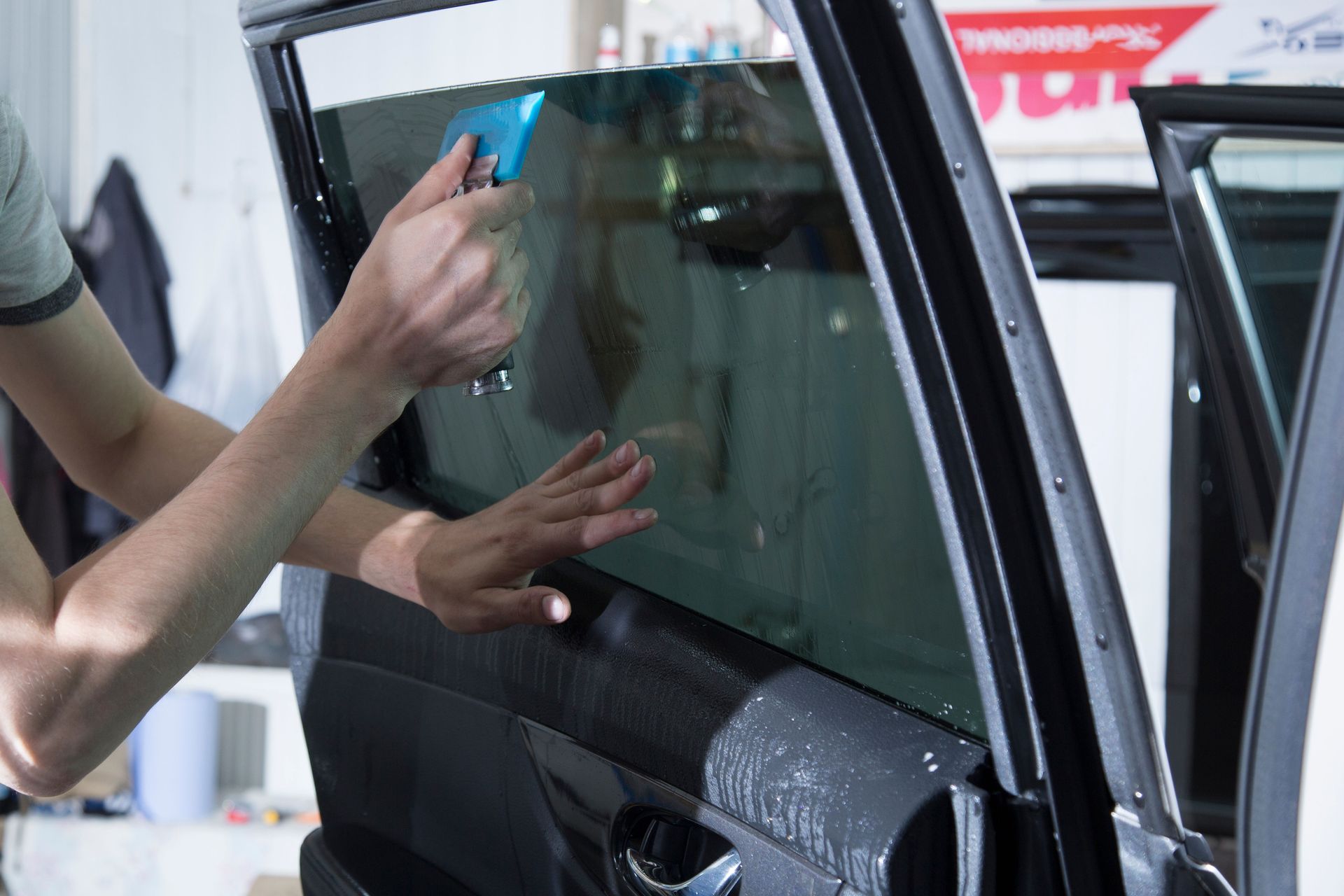
Fresh tint cures as trapped moisture evaporates, and that takes a few days. Hazing and small water bubbles are normal during this time and should fade as the film dries. Cool or humid weather slows the process.
A mild smell from the adhesive and drying moisture is also common, and it fades as curing finishes. Keep the windows closed for the period the installer recommends, because rolling them down early can lift the edges.
The installer's timeline matters more than any single number, since weather changes the schedule.
How Does Lake Norman Heat and Humidity Affect Tint Lifespan?
Cornelius summers are hot and humid. One film manufacturer notes that warmer, humid southern climates can shorten tint life compared with northern ones.
Cars parked outside all day take the most UV and heat. Drivers who use open lots at work see more exposure than those with garages or shaded parking.
A windshield sunshade also lowers cabin heat on parked cars. That reduces stress on the film and the adhesive over time.
Does Window Tint Lose Heat Rejection as It Ages?
Yes, film can lose some effectiveness over time, and dyed film loses it first. As the dyes fade, the film blocks less light and less solar energy. Drivers often notice the cabin warming faster before the color visibly changes.
Ceramic and carbon hold their performance better because they do not depend on dye alone. Even so, adhesive wear and surface scratches can reduce clarity and comfort in older film.
A noticeable change in cabin heat compared with earlier summers is a useful signal to have the film inspected.
Is Longer-Lasting Tint Worth the Extra Cost?
Ceramic usually costs more than carbon or dyed film. The better comparison is cost per year of service. A film that lasts a decade often costs less per year than a cheaper film replaced after five.
Replacement also adds removal labor and downtime, which cheaper film tends to need more often. Drivers planning to keep a car long term benefit most from the higher upfront investment.
Shorter ownership changes the math. A driver selling in a few years may find carbon gives enough comfort and durability for that time.
What Does a Window Tint Warranty Cover?
Every installation is backed by manufacturer warranties. The shop's FAQ says ceramic films carry a lifetime warranty and carbon carries five years.
Warranties often cover defects such as bubbling, peeling, and fading, though terms vary by film line. Physical damage and improper care are commonly excluded.
Drivers should ask for the written terms, any exclusions, and who handles a claim before choosing a film.
How Can Drivers Make Window Tint Last Longer?
Small habits add up over years of daily driving.
- Let the film cure fully before rolling the windows down
- Clean with a soft microfiber cloth and an ammonia-free cleaner
- Park in shade or a garage when possible
- Skip scrapers, abrasive pads, and brush car washes
- Check edges and corners for bubbles or lifting every few months
Ammonia-based cleaners such as Windex are a common cause of early damage. Water with mild dish soap works well and costs very little.
Does Installation Quality Change How Long Tint Lasts?
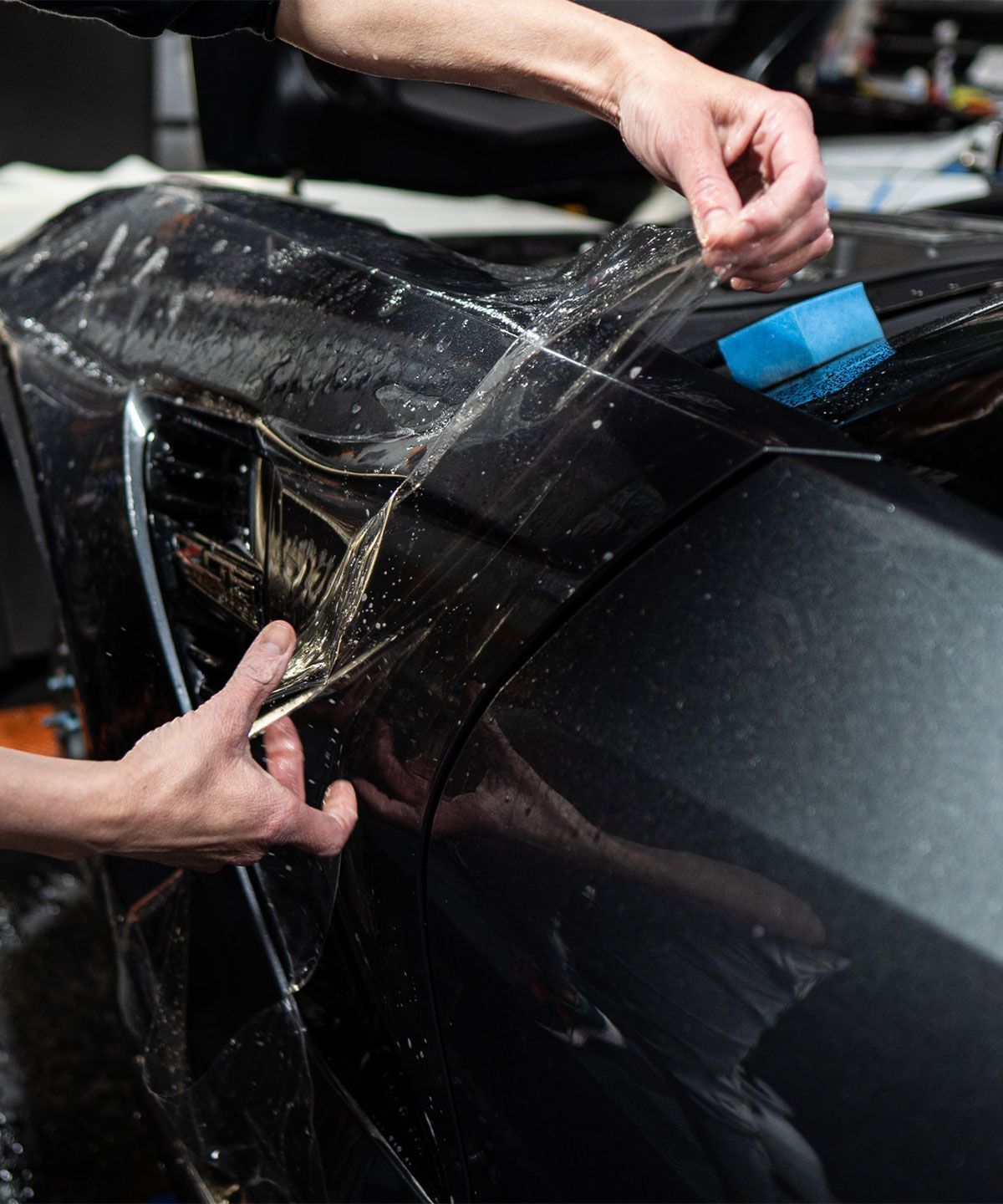
Yes, installation can shorten or extend tint life. Contamination trapped under the film, weak edge sealing, and ignored cure instructions all lead to early bubbling and peeling. One manufacturer says DIY installs may not last as long as professional jobs.
A clean bay, careful prep, and precise edge work matter as much as the film itself. Drivers can ask to see finished work and ask what the warranty covers for installation errors.
Poor installation often shows within the first weeks as lifting edges, dust specks, or bubbles that never clear. Reporting these early gives the installer a chance to correct them while the problem is still small.
When Should Drivers Replace Old Window Tint?
Replace tint when the color has turned purple, the film has bubbled or peeled, or visibility is affected. Small isolated flaws may be repairable, but widespread failure usually means full replacement.
Old film must be removed before new film goes on, which adds labor to the job. Cabin heat that feels worse than before is another reason to compare fresh film against the old one.
Replacement film must still meet North Carolina's legal limits, so the shade matters as much as the film type. A shop can confirm the legal percentage for each window before installation begins.
What Should Drivers Ask About Lifespan Before Booking?
A few direct questions before booking set realistic expectations for how long the film will last.
- Which film is quoted, and what lifespan does the manufacturer support?
- What does the warranty cover, and for how long?
- Who handles a claim if the film bubbles or peels?
- What cure time and aftercare does the installer recommend?
Clear answers show a shop's confidence in its film and installation work, which makes the final decision easier.
How Long Should Window Tint Last on a Car?
Window tint commonly lasts five to 10 years. Dyed film sits at the short end and ceramic at the long end. Sun exposure, installation quality, and care decide where a given car lands in that range.
Drivers across Cornelius, Mooresville, Davidson, and Huntersville can talk through film options with Champion Window Tinting before booking. The guide on
how to properly care for a window tinted vehicle covers the daily habits that protect new film.
Ready to choose a film built to last through Lake Norman summers? Champion Window Tinting in Cornelius, NC can walk you through ceramic and carbon options, warranty terms, and pricing for your vehicle. Call (980) 399-5170 to schedule a free tint consultation.
Frequently Asked Questions
How long does window tint last on a car?
Quality window tint commonly lasts five to 10 years, and ceramic can last 10 years or more with proper installation and care. Dyed film usually wears out sooner, often around five years. Sun exposure, installation quality, and regular cleaning habits move any film up or down that range.
How long does ceramic tint last compared with carbon tint?
Ceramic generally lasts longer because it uses nano-ceramic particles instead of dye, so it resists fading. Carbon is also non-metallic and holds color well, but it is usually rated lower. The shop lists a lifetime warranty on ceramic and five years on carbon, so ask for written terms.
Does window tint fade or turn purple over time?
Yes, tint can fade, and dyed film fades fastest, often shifting to purple as low-quality dyes break down in sun. Ceramic fades least because it does not rely on dye. Rapid fading within a few years usually points to a low-quality film, a poor installation, or both, so ask about warranty coverage.
How long does new window tint smell last?
A mild smell from the adhesive and drying moisture is normal after installation and fades as the film cures. Curing time depends on weather, so cool or humid days take longer. A strong odor that lingers well beyond the installer's stated cure window is worth a call to the shop for a quick check.
How long should you keep windows up after getting tint?
Keep the windows up for the period the installer recommends, usually a few days depending on weather. Rolling them down early can lift the film's edges and cause peeling. Hazing and tiny water bubbles are normal while the film dries and should fade without any action needed from the driver.
Does car window tint expire, and when should it be replaced?
Tint has no fixed expiration date, but it wears out gradually. Replace it when the color turns purple, bubbles or peeling appear after curing, or the film looks hazy. Widespread failure usually needs full replacement, since old film must be removed before any new film goes on the glass.
Articles from the Champion Window Tinting Blog
Champion Window Tinting Services