When you look closely at your vehicle's windows, you might notice a pattern of black dots along the edges, gradually fading from solid black to transparent. This feature, called dot matrix, plays a significant role in your car's design and affects how window film adheres to your glass. Meanwhile, ceramic window tinting shop in Cornelius, NC has revolutionized the automotive aftermarket industry with its superior performance and durability. If you're considering upgrading your vehicle's windows, understanding both these elements becomes essential. Champion Window Tinting has worked with countless vehicle owners who want to know how these technologies interact and what benefits they bring to the table.
The connection between dot matrix patterns and window film installation might seem technical, but it's actually quite straightforward once you break it down. Whether you're dealing with a brand new car or an older model, knowing what happens at your window's edges can help you set realistic expectations and understand the craftsmanship that goes into quality installation work.
What Is Dot Matrix in Automotive Glass?
The Purpose Behind Those Black Dots
Dot matrix refers to the pattern of ceramic paint dots baked onto your vehicle's glass during manufacturing. These dots aren't just decorative. They serve multiple functional purposes that most drivers never think about. The primary job of dot matrix is to create a rougher surface for the adhesive that bonds the windshield or window to the vehicle frame. This textured surface allows the urethane adhesive to grip more effectively, creating a stronger, more reliable seal.
Additionally, the dot matrix pattern provides a visual transition from the solid black ceramic band (called the frit band) to the clear glass. Without this gradient effect, you'd see a harsh line that would be visually jarring and less aesthetically pleasing. The dots start large and dense near the black band, then gradually become smaller and more spread out as they approach the clear glass area.
How Dot Matrix Affects Tinting Results
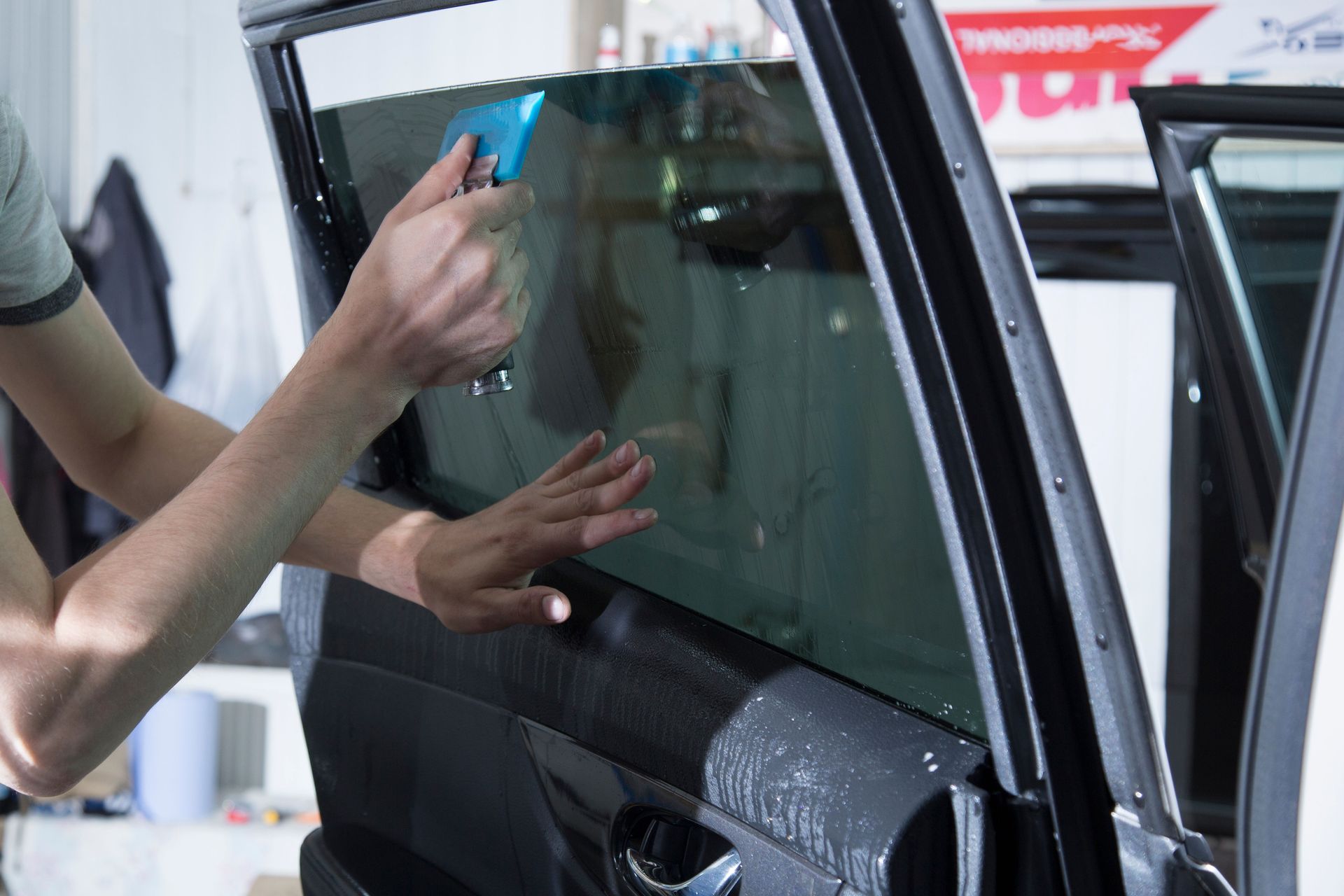
When installing window film, the dot matrix area presents unique challenges. The uneven surface created by these ceramic dots means the film can't lay completely flat in these regions. This creates what industry professionals call the "halo effect" or "white dots," where small air pockets form under the film around each dot. This is a completely normal occurrence and happens with all types of window film, regardless of quality or installation skill.
Understanding this phenomenon helps you have realistic expectations when getting your windows tinted. The halo effect is more visible with darker films and less noticeable with lighter shades. However, it's important to know that this isn't a defect or a sign of poor installation. It's simply a physical reality of applying a flat film to a textured surface.
Ceramic Window Tinting Explained
The Technology Behind Ceramic Films
Ceramic window tinting represents a significant advancement over older dyed or metalized films. These films contain nano-ceramic particles that are nonconductive and nonmetallic. The ceramic particles are embedded in the film during manufacturing, creating a product that blocks infrared heat and UV rays without relying on metal content. This construction method results in a film that won't interfere with electronic signals like GPS, radio, or cell phone reception.
The manufacturing process involves multiple layers, each serving a specific purpose. The ceramic particles are sandwiched between protective layers and adhesive, creating a durable product that maintains its appearance and performance for many years. Unlike dyed films that can fade to purple over time, ceramic films maintain their color and effectiveness throughout their lifespan.
Why Ceramic Outperforms Traditional Tint
When comparing ceramic films to older technology, the differences become immediately apparent. Dyed films rely on dye layers to absorb light and create shade, but these dyes break down under UV exposure, leading to fading and reduced effectiveness. Metalized films use tiny metal particles to reflect heat and light, but they can interfere with electronic devices and create a shiny, reflective appearance that many people find unattractive.
Ceramic films block up to 99% of harmful UV rays and can reject up to 80% of infrared heat, depending on the specific product. This heat rejection happens without requiring a very dark shade, meaning you can have excellent heat protection while maintaining good visibility. The films also provide superior glare reduction without the mirror-like finish of metalized products.
The Relationship Between Dot Matrix and Window Film
Common Challenges During Installation
Professional installers encounter the dot matrix area on every vehicle they work on. The challenge lies in making the film adhere as smoothly as possible while managing customer expectations about the inevitable halo effect. Some vehicles have more aggressive dot matrix patterns than others, with larger dots or denser spacing, which can make the halo effect more prominent.
The installer must carefully work the film into the dot matrix area, using specialized tools and techniques to minimize bubbles and ensure the best possible adhesion. However, even with expert installation, some haloing will occur. This is why education becomes so important. When customers understand what's normal versus what indicates a problem, they can better appreciate the quality work that goes into their installation.
Professional Solutions for Dot Matrix Areas
Experienced professionals have developed techniques to minimize the visual impact of dot matrix areas. Some installers use specific cutting patterns that work around the most problematic sections. Others might recommend slightly lighter film shades if the dot matrix pattern is particularly aggressive. Champion Window Tinting professionals assess each vehicle individually and provide recommendations based on the specific characteristics of your windows.
Another approach involves careful heat application during installation. By precisely controlling temperature and pressure, skilled installers can improve adhesion in the dot matrix area. However, it's crucial to strike the right balance, as too much heat can damage the film or the window's defrost lines if present.
Benefits of Ceramic Tinting for Your Vehicle
Heat Rejection and UV Protection
The primary reason most people choose Window Tinting in Cornelius, NC is comfort. Ceramic films dramatically reduce the amount of heat entering your vehicle, keeping the interior cooler on hot summer days. This heat rejection translates to less reliance on air conditioning, which can improve fuel efficiency. The difference is particularly noticeable when you first enter your car after it's been sitting in the sun.
UV protection might be even more important than heat rejection for many vehicle owners. Prolonged UV exposure damages your skin, fades your interior upholstery, and cracks dashboard materials. Ceramic films block these harmful rays, protecting both you and your investment. If you've ever noticed how the sun-exposed side of your car's interior fades faster than the shaded side, you'll appreciate what UV protection can do.
Clarity and Visibility Advantages
Unlike some older tinting technologies, ceramic films don't compromise visibility. You get excellent heat and UV protection without creating that "looking through sunglasses" effect. The films maintain optical clarity, meaning you're not straining your eyes to see clearly, especially during nighttime driving.
The non-reflective nature of ceramic films also means other drivers aren't blinded by glare from your windows. This consideration matters for safety and courtesy on the road. You're reducing the heat and glare you experience without creating problems for others around you.
Choosing the Right Tinting Solution
Selecting the appropriate window film involves considering multiple factors beyond just how dark you want your windows. Think about your priorities. Is heat rejection your main concern? Are you more worried about UV protection for your skin and interior? Do you need to maintain maximum visibility for work purposes? Your answers to these questions will guide your choice.
Working with experienced professionals helps you navigate these decisions. A quality Window Tinting shop in Cornelius, NC will offer multiple ceramic film options at different price points and performance levels. They'll explain the trade-offs between various products and help you find the solution that fits your needs and budget.
Legal considerations also matter. Each state has specific regulations about how dark window tint can be on different windows. Front side windows typically have stricter requirements than rear windows. Champion Window Tinting professionals stay current on local regulations and ensure your installation complies with all applicable laws.
The reputation and warranty offered by both the film manufacturer and the installer should factor into your decision. Quality ceramic films typically come with lifetime warranties against fading, peeling, and bubbling. The installer should also guarantee their workmanship. These warranties provide peace of mind and protect your investment.
When you're ready to move forward with Car Window Tinting in Cornelius, NC, take time to ask questions and understand what you're getting. A good installer will walk you through the process, show you samples, and explain what to expect, including the reality of dot matrix areas and the halo effect. This transparency builds trust and ensures you're completely satisfied with the results.
Remember that window tinting is both an art and a science. The technical knowledge required to work with ceramic films and the skill needed to navigate dot matrix patterns take years to develop. This is why choosing experienced professionals matters so much. The difference between an average installation and an exceptional one often comes down to the installer's expertise and attention to detail.
Conclusion
Understanding dot matrix and ceramic window tinting helps you make informed decisions about your vehicle's comfort and protection. The dot matrix pattern, while creating some installation challenges, serves important structural and aesthetic purposes in your vehicle's design. Ceramic window films represent the pinnacle of tinting technology, offering superior heat rejection, UV protection, and clarity without interfering with your electronics.
When these two elements come together during professional installation, you get results that balance functionality with appearance. The slight halo effect around dot matrix areas is a small trade-off for the significant benefits ceramic tinting provides. By working with skilled professionals at Champion Window Tinting, you ensure your installation is done right the first time, with realistic expectations and outstanding results. Whether you're seeking relief from intense summer heat, protecting your vehicle's interior, or enhancing privacy, quality ceramic Window Tinting in Cornelius, NC delivers solutions that perform year after year.
FAQs
Q1: Will the halo effect around dot matrix get worse over time?
No, the halo effect remains constant throughout the life of your window film. It doesn't expand or become more noticeable as the film ages. What you see immediately after installation is what you'll continue to see, assuming the film was installed correctly.
Q2: Can ceramic window tint be applied to the windshield?
Yes, though regulations vary by state regarding how much of the windshield can be tinted and how dark it can be. Many people choose a light ceramic tint strip across the top of their windshield for glare reduction, or a very light ceramic film across the entire windshield for heat and UV protection without significantly reducing light transmission.
Q3: How long does ceramic window tint last?
High-quality ceramic films typically last the lifetime of your vehicle when professionally installed and properly maintained. Most manufacturers offer lifetime warranties against fading, peeling, and bubbling. The non-metallic construction means ceramic films don't corrode or degrade like older technologies.
Q4: Does ceramic tinting really make a noticeable difference in interior temperature?
Absolutely. Most drivers report a significant difference in comfort, especially during summer months. Ceramic films can reduce interior temperatures by 40 to 60 degrees Fahrenheit compared to untinted windows, making a substantial impact on both comfort and air conditioning usage.
Q5: Can window tint be removed if I change my mind or need to replace it?
Yes, window tint can be removed by professionals without damaging your glass. The process involves heating the film to soften the adhesive and carefully peeling it away. If you want to replace an old film with a new ceramic tint, professionals can remove the existing film and install new product in the same visit.
Articles from the Champion Window Tinting Blog

Champion Window Tinting Services