Paint protection film represents one of the most financially sound investments a vehicle owner can make. The math is straightforward once you look at it clearly. A single rock chip repair at a body shop runs 100 to 300 dollars depending on location, depth, and color match complexity. A front bumper with fifteen rock chips accumulated over three years of Charlotte area highway driving requires either a full repaint at 600 to 1,200 dollars or a vehicle that looks its age at every inspection and trade-in. PPF prevents every one of those chips from reaching the paint in the first place. For drivers in Cornelius, NC and around Lake Norman who commute on I-77, I-485, and NC-115, paint protection film in Cornelius, NC is not a luxury upgrade for exotic car owners. It is a practical financial decision that pays back through avoided repair costs from the first year of ownership. Champion Window Tinting has been installing PPF for Lake Norman area drivers since 2001, and this guide covers everything you need to know about what makes paint protection film genuinely worth the investment.
Why Paint Protection Film Is Worth the Investment
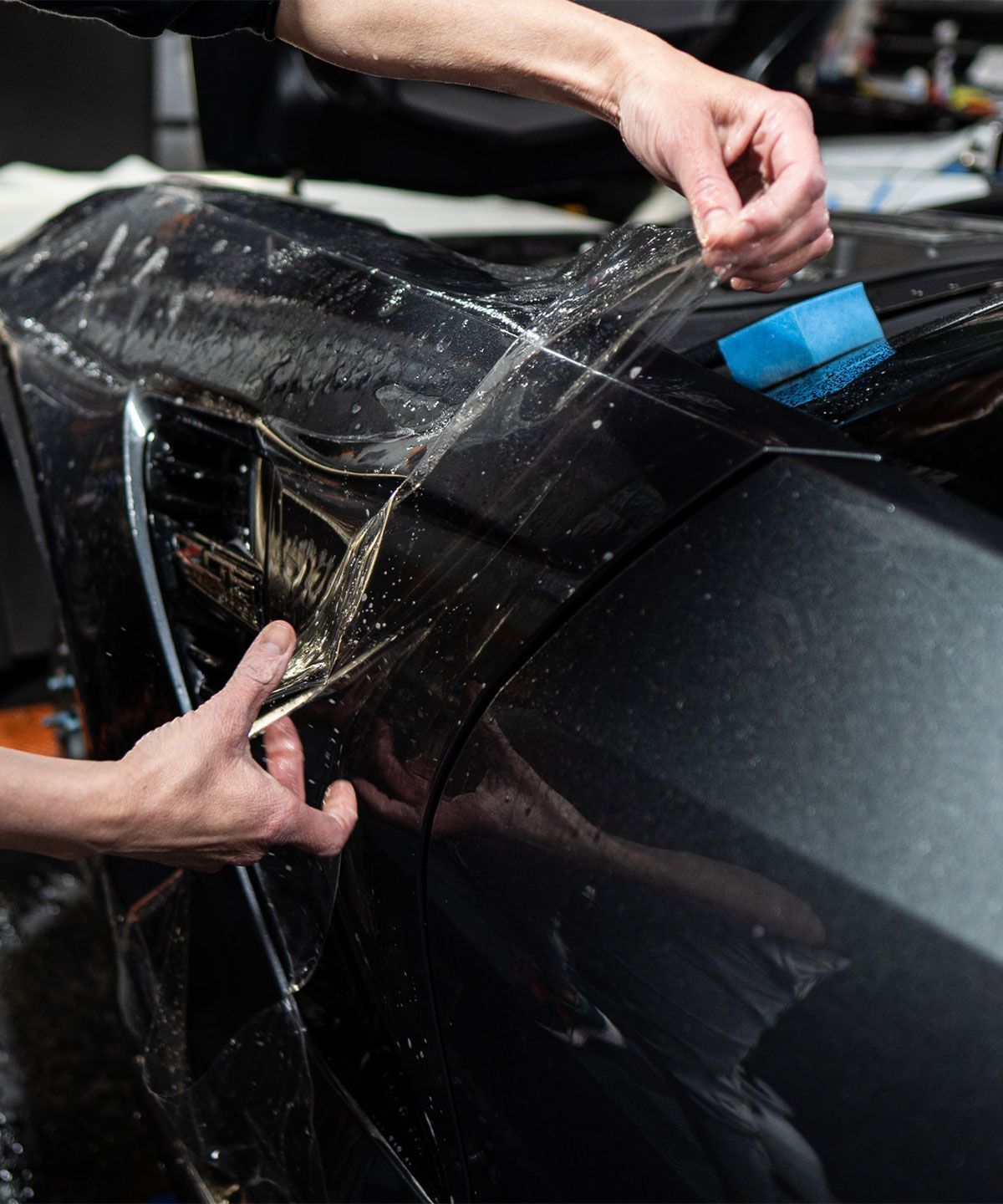
Paint protection film is a thermoplastic urethane film applied directly to the painted surfaces of a vehicle. The film creates a physical barrier between factory paint and the road debris, environmental contamination, and UV radiation that accumulate damage across every mile of daily driving. Unlike wax or paint sealants that sit on the surface and wear away within weeks, PPF bonds to the paint and remains in place through years of driving, washing, and seasonal weather cycling.
What PPF Actually Protects Against
The protection PPF provides covers four distinct categories of paint damage. Rock chips and road debris impacts are the most immediately visible benefit. PPF absorbs the energy of gravel strikes at highway speed before that energy reaches the clear coat beneath, preventing the white gouges that accumulate on unprotected front bumpers and hoods within months of daily highway driving.
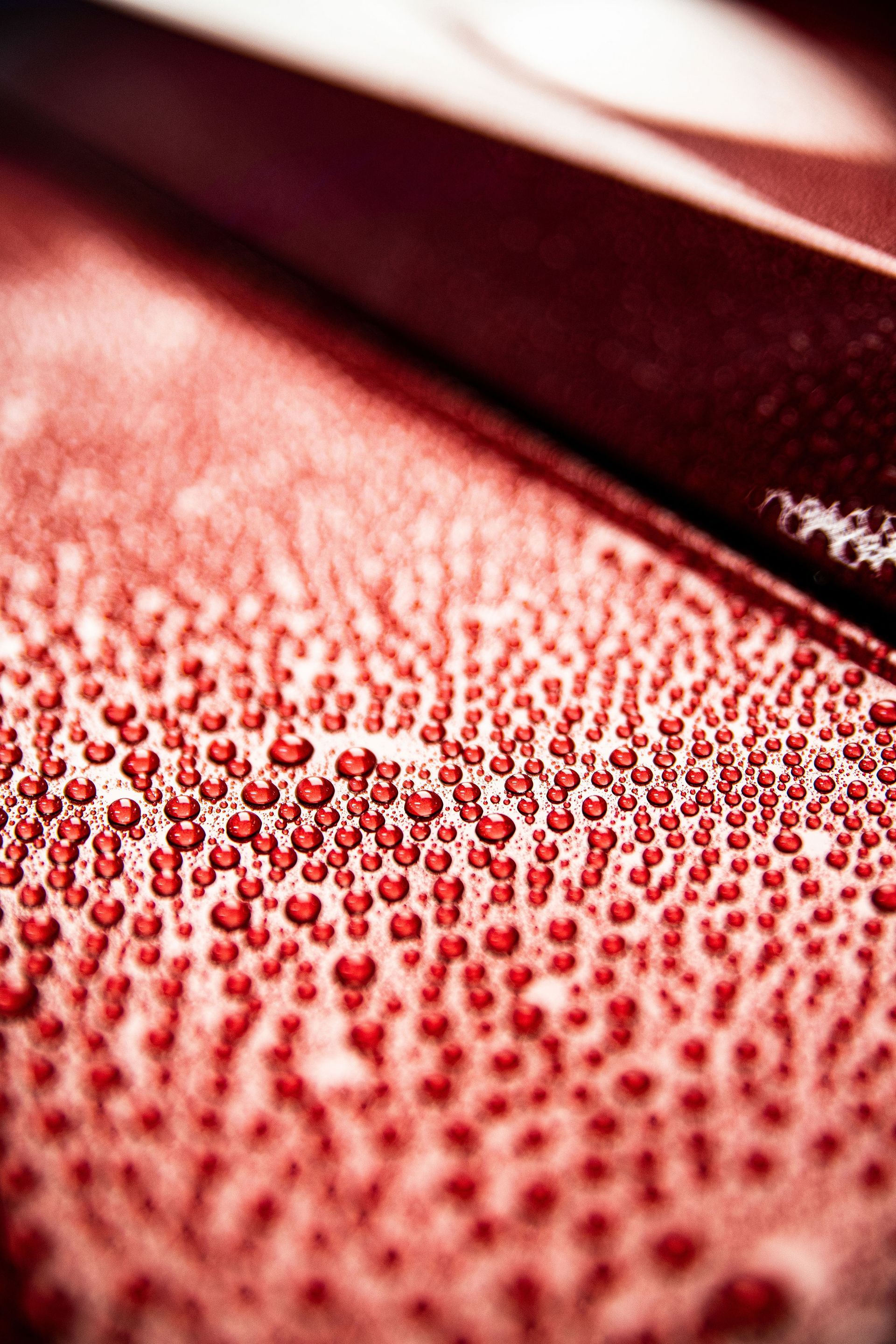
Bug splatter and bird droppings are the second category. Both are acidic enough to etch into clear coat when left for extended periods in warm weather. PPF's stain-resistant topcoat buffers the contact between these contaminants and the paint surface, providing time to clean them before permanent etching occurs.
UV radiation is the third category. PPF includes UV inhibitors that block ultraviolet radiation from reaching the factory paint beneath. Over years of outdoor parking in North Carolina's intense UV season from March through October, this protection prevents the oxidation and color fading that makes unprotected vehicles look older than their actual age.
Minor scratches and scuffs from ordinary daily use are the fourth category. Parking lot contact, branches brushing against panels, and the abrasion of routine car washing all leave marks on unprotected paint that accumulate into a dull, scratched surface. Premium PPF with self-healing topcoat technology handles this category continuously without any intervention.
How North Carolina Roads Make PPF More Valuable Than Most Drivers Expect
Cornelius and the broader Charlotte metro area create specific PPF value conditions that drivers moving from other regions sometimes underestimate. I-77 and I-485 carry heavy commercial truck traffic that generates consistent road debris at highway speeds. NC-115 and Catawba Avenue include stretches near construction zones and rural roads where loose aggregate appears on travel lanes regularly. The chip-sealed road surfaces common throughout the Charlotte metro temporarily increase debris exposure during and after road maintenance periods. Seasonal road salt and brine used during the occasional winter weather events in Mecklenburg County adds a chemical exposure component that accelerates corrosion in existing chip sites. Paint protection film in Cornelius, NC addresses all of these local factors simultaneously.
What Makes Paint Protection Film Worth It Long-Term
The long-term value of PPF comes from two sources that compound together across years of ownership.
Reduced Repair Costs Over Time
Every rock chip on an unprotected hood or bumper is a micro-entry point for moisture and contamination. Left untreated, chips that reach the metal beneath the primer layer begin developing rust beneath the paint surface within the first full wet season. In North Carolina where humidity is sustained through summer months, this process happens faster than in dry climates. A front hood on a daily driver covering 15,000 miles per year on Charlotte area highways can accumulate 30 to 50 visible chips within eighteen months of ownership. The cost of addressing that chip accumulation through touch-up paint, spot repairs, or panel repainting across five years of ownership consistently exceeds the cost of a quality front-end PPF installation that would have prevented every one of them.
Preserved Resale Value
Paint condition is one of the most heavily weighted factors in used vehicle appraisals. A vehicle with factory-fresh paint protected by documented PPF coverage commands a stronger trade-in position and private sale price than an equivalent vehicle with visible rock chip damage and touch-up paint. In the Charlotte metro used vehicle market where buyers inspect condition carefully and options are plentiful, the paint condition difference between a protected and unprotected vehicle at the five-year mark is visible, measurable, and directly reflected in offers received.
How Self-Healing Technology Changes the Value Calculation
Self-healing PPF is one of the most significant advances in paint protection technology of the past decade, and it changes the long-term value calculation in ways that older film products could not deliver.
How Self-Healing Film Works in Real Conditions
Premium PPF topcoats use a urethane formulation with molecular memory properties. The material remembers its original smooth surface configuration and returns to that configuration when given sufficient thermal energy. Light scratches and swirl marks that disrupt the surface alignment of the topcoat heal when the film is exposed to heat from sunlight, warm water during a car wash, or a heat gun applied by a technician during a maintenance visit. The result is a film surface that continuously self-repairs minor damage rather than accumulating the scratch history that ordinary surfaces record permanently.
Why Carolina Heat Activates Self-Healing Better Than Most Climates
North Carolina's summer temperatures create ideal self-healing conditions for premium PPF. The sustained afternoon heat of July and August in Cornelius, NC regularly pushes surface temperatures on dark-colored vehicles well above the activation threshold for self-healing topcoats. Minor scratches accumulated during morning commutes and parking lot encounters actively heal during afternoon parking sessions. Drivers who notice their PPF looking cleaner at the end of summer than it did at the start of the season are experiencing exactly this continuous self-repair cycle in action.
Understanding PPF Film Quality and What Separates the Best From the Rest
Not all paint protection film delivers equivalent performance. The quality differences between premium and budget products are measurable and consequential across the installation's lifespan.
Film Thickness and Impact Absorption
Premium PPF products use urethane layers that are six to eight mils thick. This thickness is what allows the film to absorb and distribute rock chip impact energy across a wider area than the impact site, often leaving no visible mark on the film surface. Thinner budget films at lower price points protect against light surface contamination and minor abrasion but allow the peak energy of a highway gravel strike to pass through to the paint beneath. The difference between a film that stops a chip entirely and one that only reduces its severity is almost entirely attributable to film thickness and urethane formulation quality.
UV Inhibitors and Long-Term Clarity
Premium PPF products incorporate UV inhibitor packages engineered to maintain film clarity and prevent yellowing for the full warranty period. Films with weaker UV inhibitor chemistry begin showing subtle yellowing within three to five years, which is particularly visible on white and silver vehicles. In North Carolina's long UV season, the degradation timeline for lower-grade UV inhibitors is accelerated compared to northern markets. Champion Window Tinting installs PPF products with UV inhibitor formulations that maintain optical clarity through the full warranty period regardless of how many high-UV Carolina days accumulate across that time.
Warranty Coverage as a Value Signal
Warranty length and coverage are the clearest signal of a manufacturer's confidence in their product. A ten-year manufacturer warranty covering yellowing, bubbling, peeling, cracking, and hazing tells you the manufacturer has actuarially determined their product will not fail through these modes within that timeframe under normal conditions. A two-year warranty tells you the opposite. For paint protection film in Cornelius, NC, manufacturer-backed warranty coverage that travels with the vehicle and remains in force regardless of ownership changes is a meaningful financial protection that budget alternatives simply cannot provide.
Which Areas of Your Car Deliver the Most Value From PPF Coverage
Different panel zones on a vehicle accumulate damage at very different rates. Understanding which zones deliver the highest damage-prevention-per-dollar guides coverage decisions for drivers with specific budget parameters.
Front End Coverage
The front bumper, hood, front fenders, headlights, and side mirrors absorb the overwhelming majority of highway debris impacts during forward driving. These surfaces face the full force of road debris kicked up by vehicles ahead at highway speed. On a vehicle driven daily on I-77 between Cornelius and Charlotte, the front bumper alone absorbs more debris impacts per week than every other panel on the vehicle combined. Front-end PPF coverage delivers the highest damage-prevention-to-cost ratio of any available coverage configuration because it protects the surfaces most at risk while leaving lower-risk panels unprotected.
Rocker Panels and Door Edges
Rocker panels run along the base of the vehicle between the front and rear wheel arches. They absorb sand, gravel, and debris thrown by the front wheels at close range continuously during every drive. On chip-sealed roads common in the Cornelius and Lake Norman area, rocker panel exposure is particularly significant. Door edges accumulate paint wear from repeated door opening contact in tight parking situations that is subtle but consistent across years of daily use. Both zones benefit meaningfully from targeted PPF coverage that adds protection where daily use creates the most concentrated wear.
Full Body Coverage
Full body PPF coverage wraps every painted surface of the vehicle in continuous protection. For new luxury and exotic vehicles, vehicles purchased specifically for long-term ownership, and high-value daily drivers where resale condition matters most, full body coverage delivers the most comprehensive protection available. Every panel is equally protected against every damage category simultaneously, which eliminates the selective damage accumulation that partial coverage configurations leave unaddressed on non-covered panels.
The Installation Process and Why It Determines Long-Term Value
Film quality determines the ceiling of what an installation can achieve. Installation quality determines whether the film reaches that ceiling or fails well before it.
Paint Correction and Surface Preparation
Every professional PPF installation begins with thorough vehicle decontamination. The painted surfaces must be free of iron fallout, embedded contamination, and surface defects before film application. Any imperfection present on the paint at installation time is locked beneath the film for the full installation lifespan. Paint correction to remove existing swirl marks, light scratches, and oxidation before film application ensures the protection begins from the best possible starting condition. Champion Window Tinting performs this preparation step on every PPF installation because the quality of the surface the film bonds to directly determines both the appearance and the longevity of the finished result.
Precision Cutting and Professional Application
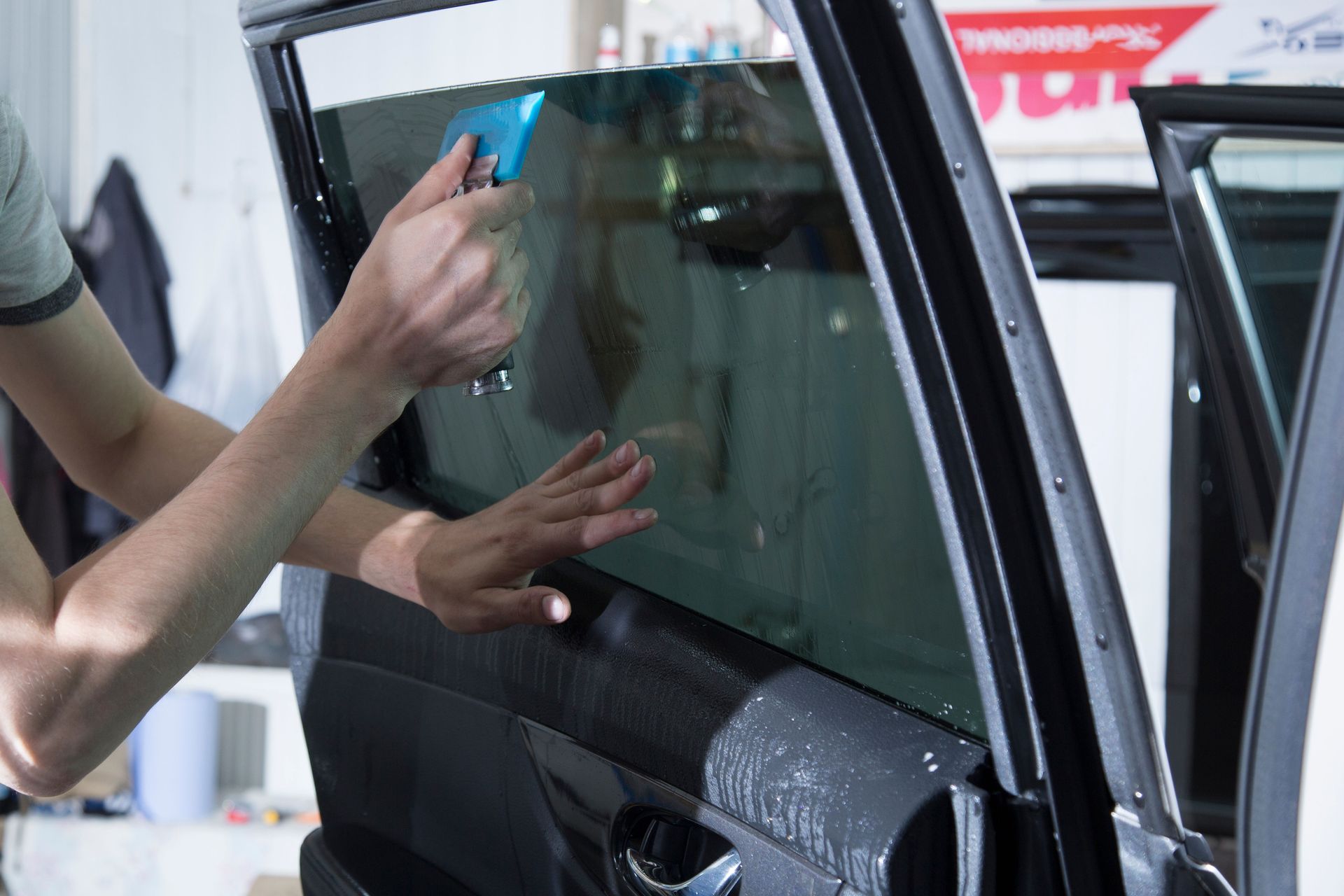
Professional PPF installation uses computer-aided cutting software that generates vehicle-specific patterns matching the exact contours of each panel on the specific make, model, and year being installed. These precision patterns eliminate the hand-trimming guesswork that produces visible cut lines and edge imperfections in amateur installations. The application process requires working solution management, squeegee technique, and timing that experienced technicians develop across hundreds of installations. Every PPF installation at Champion Window Tinting is performed by technicians with the hands-on experience that consistently producing invisible, edge-perfect installations requires.
Why Cornelius NC Drivers Get More Value From PPF Than Most
The specific combination of road conditions, climate, and driving patterns in Cornelius and the Lake Norman area creates a PPF value environment that is more favorable than most US markets.
Lake Norman Roads and Highway Debris Exposure
The road network serving Cornelius and Lake Norman combines high-speed interstate exposure on I-77 with the local road debris of NC-115, Catawba Avenue, and the rural and semi-rural roads accessing Lake Norman properties and communities. Commercial truck traffic on the interstate segment generates the sustained highway debris that chips front panels consistently. Local road maintenance and seasonal chip sealing temporarily increases loose aggregate on lower-speed roads that vehicles also travel regularly. This combination means Cornelius drivers face debris exposure from multiple road types rather than just one, which amplifies the per-year chip accumulation that PPF prevents.
Carolina UV and Humidity on Unprotected Paint
North Carolina's UV season from March through October delivers UV index values of 8 to 10 during peak months. This sustained UV exposure breaks down unprotected clear coat at a rate that produces visible oxidation and color fading within five to seven years on vehicles without protection. The Charlotte area's sustained summer humidity compounds this by keeping contamination in contact with paint surfaces longer and promoting corrosion in existing chip sites during the warm months. PPF in Cornelius, NC addresses both the UV and the physical damage categories that this specific climate combination produces.
Common PPF Myths That Cost Drivers Money
PPF is only for luxury or exotic vehicles. Every vehicle driven on North Carolina roads accumulates rock chip damage regardless of price point. A 25,000-dollar daily driver with chipped and touched-up front paint sells for less and looks older than a comparable vehicle with protected factory-fresh paint. The proportional value of front-end PPF protection is similar across vehicle price tiers.
Professional installation is the same as DIY kits. Computer-aided cutting patterns, climate-controlled installation bays, and technician experience accumulated across hundreds of vehicles produce results that DIY kit installations cannot replicate on compound-curved vehicle surfaces. Bubbles, lifting edges, and visible cut lines from amateur installations require professional removal and reinstallation that costs more than professional work from the start.
PPF yellows and ruins the car's appearance. Premium PPF with quality UV inhibitor chemistry maintains optical clarity for the full warranty period. Yellowing in PPF almost always indicates a budget product with inadequate UV inhibitor formulation or an installation that has exceeded its intended lifespan. Professional-grade film from an established manufacturer installed correctly is invisible in normal light conditions.
Waiting until chips appear before installing PPF saves money. Every chip that appears before PPF installation is permanent damage that the film cannot reverse. Paint correction before installation adds cost that early installation would have entirely avoided. The drivers who get the most value from PPF are the ones who install it before the first chip appears rather than after the damage has already accumulated.
Conclusion
Paint protection film offers genuine and measurable value for every vehicle driven on North Carolina roads. The front-end damage prevention alone on a daily commuter covering Charlotte area highways pays back the Pro Package investment within the first two to three years of avoided chip repairs. The resale value preservation of factory-fresh paint across a five to seven year ownership period adds further return that compounds with every year the film performs. The self-healing topcoat on premium film products continuously manages the minor surface damage that daily driving produces without any additional investment or attention.
For drivers across Cornelius, Davidson, Mooresville, Huntersville, and the broader Lake Norman area, Champion Window Tinting delivers PPF installations with manufacturer warranty coverage, precision computer-cut patterns, and the professional preparation standards that make the difference between a film that performs for a decade and one that disappoints within the first year. The right package for your specific vehicle, driving pattern, and budget is the conversation the shop at 10415 Bailey Rd in Cornelius is built to have before any film is cut.
Get a Free PPF Quote for Your Vehicle Today.
Protecting your paint from Charlotte area highway debris, Carolina UV, and daily wear starts with choosing the right PPF package for your specific vehicle. Champion Window Tinting in Cornelius, NC offers free consultations and written quotes that cover coverage zones, film product, and warranty terms before any commitment is made. Stop by or call (980) 399-5170 to compare package options in person and find out which PPF installation delivers the best value for your vehicle and your driving situation.
Frequently Asked Questions
1. Is paint protection film worth it for a daily driver in Cornelius, NC?
Yes, particularly for vehicles driven regularly on I-77 and I-485 where commercial truck traffic creates sustained rock chip exposure. A front-end PPF package prevents the chip accumulation that costs 100 to 300 dollars per repair at a body shop and compounds into panel repaint territory within three to five years of unprotected daily driving. The Pro Package starting at 1,900 dollars addresses the highest-risk front-end surfaces with manufacturer warranty coverage that lasts significantly longer than the payback period.
2. How long does PPF last in North Carolina's climate?
Professional-grade PPF installed correctly in Cornelius, NC typically lasts seven to ten years before showing any performance degradation. North Carolina's summer UV intensity and humidity create thermal cycling conditions that test film adhesive annually. Premium PPF adhesive systems engineered for this kind of seasonal temperature range maintain their bond and optical clarity significantly longer than budget alternatives. Manufacturer warranties from established brands cover the full expected lifespan against yellowing, bubbling, peeling, and delamination.
3. What is the difference between the three PPF packages at Champion Window Tinting?
The Pro Package at 1,900 dollars covers the highest-impact front-end surfaces including the bumper, hood, fenders, mirrors, and headlights. The Plus Package at 2,500 dollars adds rocker panel coverage to the Pro configuration. The Max Package at 5,500 dollars covers the full vehicle including all bumpers, hood, mirrors, doors, roof, and lights. The right package depends on the vehicle type, annual mileage, planned ownership period, and how comprehensively the owner wants to protect their paint investment.
4. Does paint correction need to happen before PPF installation?
Yes for any vehicle with existing paint defects. PPF bonds to whatever surface condition exists at installation time and preserves that condition for the full film lifespan. Applying film over existing swirl marks, rock chips, and oxidation seals those defects permanently beneath the protection. Paint correction before installation ensures the film begins from the cleanest possible starting condition and delivers the appearance quality that premium PPF is designed to produce.
5. Can PPF be removed without damaging the paint?
Yes. Professional PPF removal using proper heat and technique leaves the paint beneath in the same condition it was in at installation. The adhesive systems used in professional-grade PPF are designed for clean removal rather than permanent bonding. Vehicles with PPF removed after years of installation typically reveal paint in significantly better condition than equivalent unprotected vehicles of the same age, which is one of the clearest demonstrations of the long-term preservation value the film delivers.
Articles from the Champion Window Tinting Blog
Champion Window Tinting Services