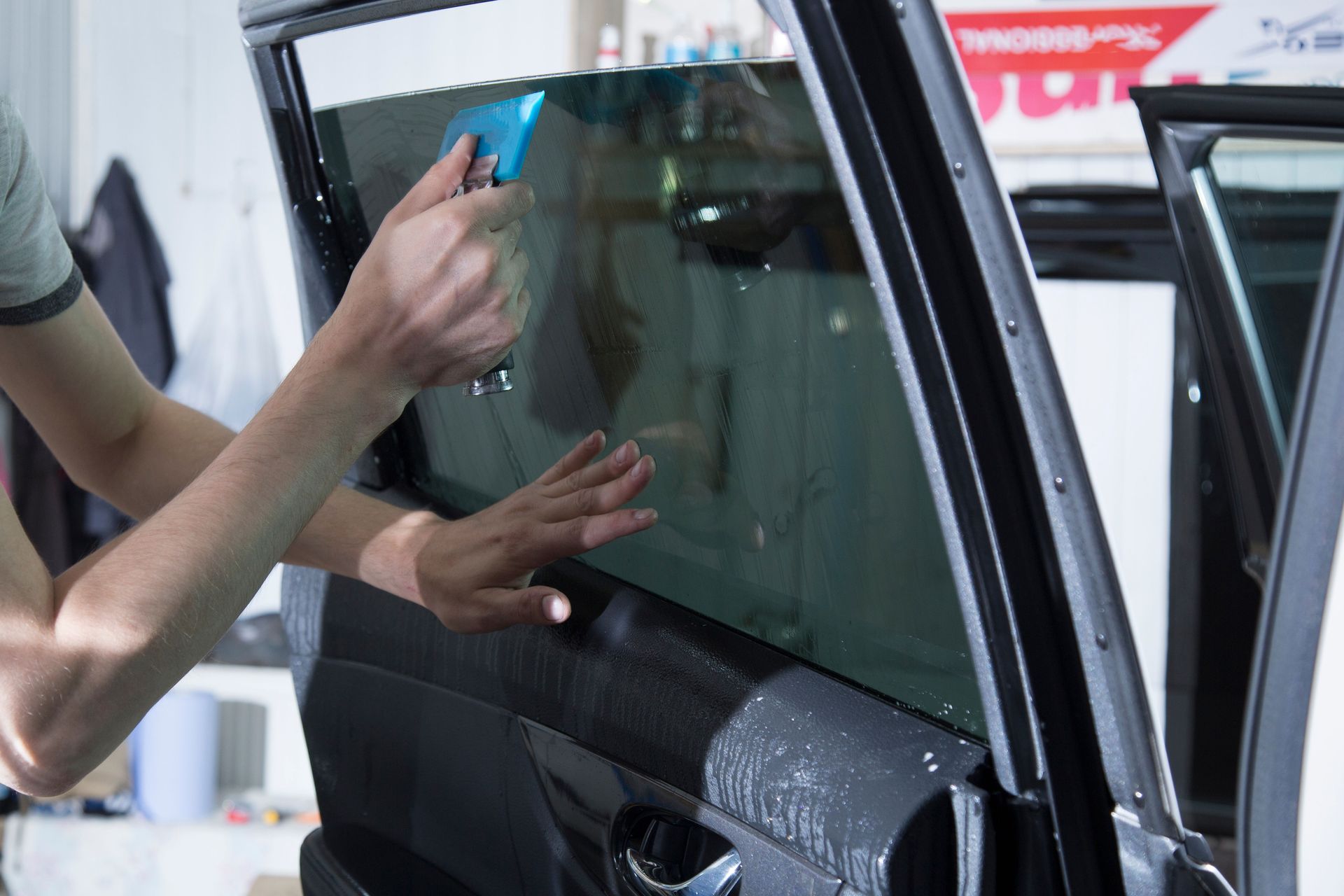
Choosing window tint for your vehicle involves more decisions than most drivers expect. The shade level that looks right in a shop photo may not be the shade that performs best on a daily commute through Cornelius and the Lake Norman area. The cheapest quote available often reflects a product that fails faster than the warranty covers. The tint that looked great on a friend's car may not be legal on yours under North Carolina law. Getting these decisions right before booking is exactly what this guide is designed to help with.
Window tinting in Cornelius, NC covers a range of ceramic film options, shade choices, and price points that each deliver different performance levels for different driving situations. This guide walks through everything you need to know, from the specific benefits of ceramic film and the three product tiers Champion Window Tinting carries, through the pricing for each coverage configuration and the North Carolina tint laws that determine which shades are legal on which windows. Every driver in the Cornelius, Davidson, and Mooresville area will find the information here useful before booking any window tint installation.
Why Window Tinting Is Worth Understanding Before You Book
Most drivers who end up disappointed with a window tint installation made one of three mistakes before booking. They chose based on price without understanding what differentiates a 200-dollar installation from a 625-dollar one. They chose a shade without understanding North Carolina's legal requirements and ended up with a failed inspection. They chose a shop without asking about film type and ended up with dyed or carbon film that was presented as ceramic. Understanding the fundamentals of ceramic window tint before booking protects against all three of those outcomes.
What Ceramic Window Tint Actually Does for Your Vehicle
The benefits of ceramic window tint go well beyond the darkened appearance that is visible from outside the vehicle. Four distinct functional benefits make ceramic film the right product for every driver in the Cornelius and greater Charlotte area.
UV Protection That Works Year-Round in North Carolina
North Carolina's UV season runs from March through October with UV index values regularly reaching 8 to 10 during peak summer months. This sustained UV exposure fades upholstery, cracks dashboards, dries out leather, and degrades every interior surface in an unprotected vehicle across years of outdoor parking. Quality ceramic window tint blocks up to 99 percent of UV radiation regardless of the shade level chosen. A 70 percent VLT ceramic film delivers the same UV protection as a 5 percent VLT ceramic film because the UV blocking comes from the ceramic particle chemistry rather than the visible darkness. Window tint in Cornelius, NC that uses genuine ceramic film addresses UV damage on every driving day of the year, not just during the most obviously sunny conditions.
Heat Rejection That Changes How Your Car Feels
Infrared radiation is the wavelength of solar energy responsible for the majority of heat buildup inside a parked vehicle. Standard glass transmits infrared freely, which is why vehicles parked in direct sun on a July afternoon in Cornelius can reach 130 degrees interior temperature within two hours. Ceramic window tint blocks infrared at rates ranging from 70 percent on entry-level ceramic to 98 percent on the top tier, which reduces peak parked cabin temperatures by 15 to 25 degrees. The first moment you return to a tinted vehicle after a summer workday is when the difference between ceramic and no tint is most immediately felt.
Glare Reduction for Safer Cornelius Commutes
Commuters on I-77, I-485, and NC-115 around Cornelius and the Lake Norman area deal with sustained sun glare during morning and evening drive windows throughout the year. Low winter sun angles create intense direct glare on east-west routes during the peak commuting hours of 7 to 9 AM and 4 to 6 PM from November through February. Summer afternoon sun creates sustained glare on southbound and westbound routes during the return commute. Ceramic window tint in Cornelius, NC reduces the intensity of light entering the cabin from side windows, which builds toward more comfortable, less fatiguing driving across every commuting day.
Privacy and Security for Daily Drivers
Vehicles parked in shopping center lots, at Lake Norman marinas, and in the parking structures around the Charlotte metro area are regularly subject to opportunistic theft based on visible interior contents. Ceramic window tint at 20 percent or darker on rear glass significantly reduces the ability of passersby to assess what is inside the vehicle before deciding whether it is worth targeting. This privacy benefit is fully functional from the day of installation and maintains its effectiveness throughout the full lifespan of the ceramic film.
Understanding the Three Ceramic Tint Tiers
Champion Window Tinting carries three ceramic film tiers that each deliver different performance levels for different budgets and priorities. Every tier uses genuine ceramic film technology. None of the options available at the shop include dyed or metallic film, which means every installation delivers real UV blocking and meaningful heat rejection regardless of which tier is chosen.
Ceramic Tint Good Tier
The entry ceramic tier rejects up to 70 percent of heat and blocks 99 percent of UV radiation. Available in shades of 35 percent, 20 percent, 15 percent, and 5 percent VLT. This tier is the right choice for drivers who want genuine ceramic performance at the most accessible price point. The 70 percent heat rejection delivers a real and immediately noticeable improvement in cabin comfort during North Carolina summers, and the 99 percent UV blocking protects interior surfaces from the day of installation. For daily commuters in the Cornelius area who want meaningful protection without the premium tier investment, the entry ceramic delivers genuine value across years of ownership.
Ceramic Plus Tint Better Tier
The Ceramic Plus tier delivers up to 85 percent infrared heat rejection and is backed by a lifetime warranty. Available in shades of 70 percent, 35 percent, 20 percent, 15 percent, and 5 percent VLT. The 15-percentage-point improvement in heat rejection over the entry tier is felt most clearly during the hottest summer afternoons in the Charlotte metro area when parked cabin temperatures push the limits of what standard ceramic manages. The lifetime warranty on this tier reflects manufacturer confidence in the product's durability that the entry tier does not match. Ceramic Plus is the most popular choice among Cornelius and Lake Norman area drivers because it delivers strong performance with full warranty coverage at a price point that is accessible for most vehicle types and coverage configurations.
Ceramic Max Tint Best Tier
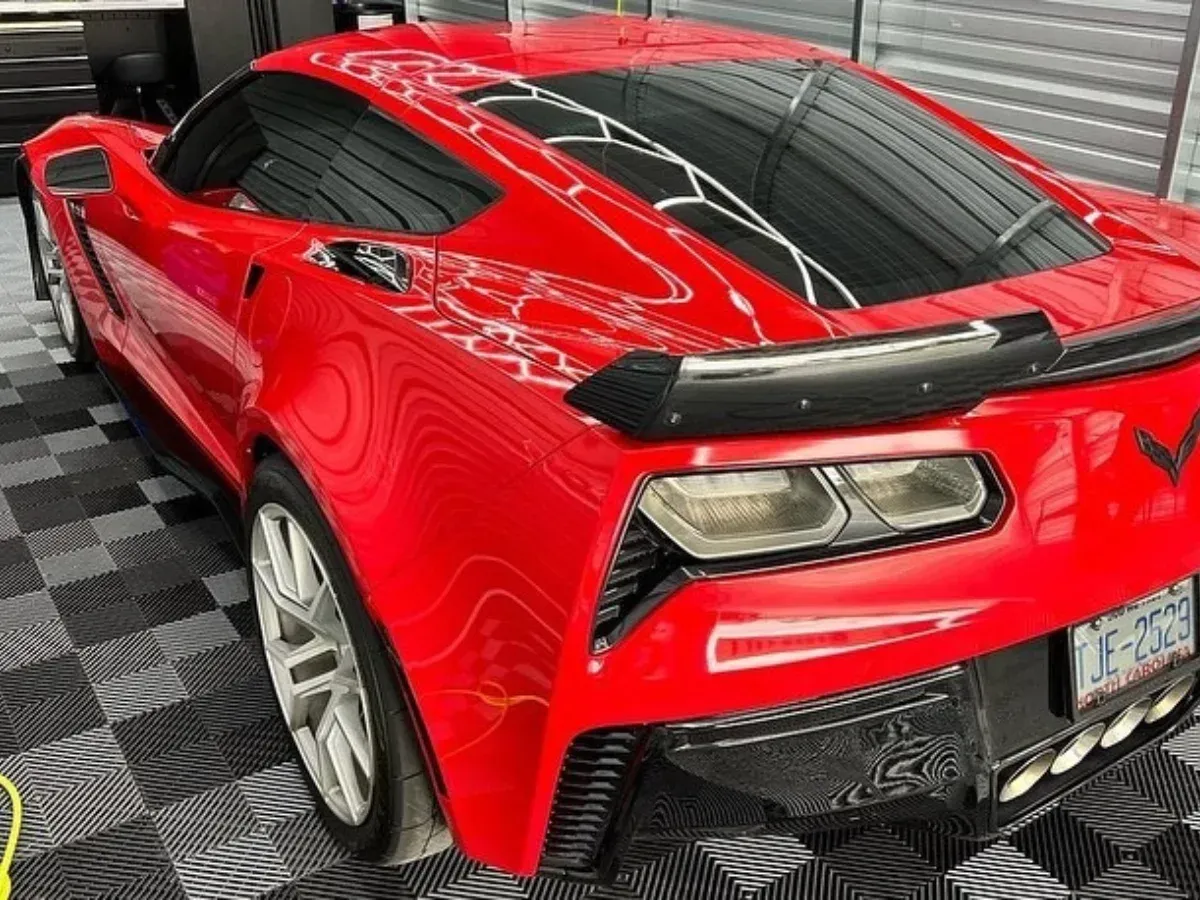
The Ceramic Max tier delivers up to 98 percent infrared heat rejection, the highest available in the product lineup, along with optical clarity that minimizes visible color distortion at any shade level. Available in 80 percent, 50 percent, 35 percent, 20 percent, 15 percent, and 5 percent VLT. The 98 percent heat rejection of Ceramic Max is in a different category from the entry tier's 70 percent. For drivers in luxury and exotic vehicles where interior preservation and maximum comfort are priorities, for new vehicle owners who want to lock in factory-fresh interior condition from day one, and for any driver who wants the strongest thermal and UV performance available from a single film product, Ceramic Max is the right investment. Champion Window Tinting installs Ceramic Max as the standard recommendation for vehicles where interior quality and long-term preservation matter most.
Window Tint Costs and What Each Package Covers
Pricing for window tint in Cornelius, NC varies based on coverage configuration and ceramic tier selected. Here are the current package prices across all three tiers.
Front Two Windows
Front two window coverage tint the driver and front passenger windows only. Ceramic tier starts at 200 dollars. Ceramic Plus starts at 225 dollars. Ceramic Max starts at 250 dollars. This is the minimum coverage configuration and the right starting point for drivers who primarily want front-side heat rejection and privacy or who need to match previously tinted rear glass on a new vehicle.
Full Windshield
A full windshield gets a clear, heat-rejecting film (NC allows only the top 5 inches/AS-1 line to be tinted): Carbon $225 / Ceramic $275 / Ceramic Plus $300 / Ceramic Max $325. This configuration is often booked as an add-on alongside a full vehicle surround package for drivers who want comprehensive coverage on every glass surface.
Full Vehicle Surround
Full vehicle tint covers every window on the vehicle in the selected film tier. For sides and rear windows on a car, Carbon is $300, Ceramic is $425, Ceramic Plus is $525, and Ceramic Max is $625. For the entire vehicle, pricing is $650 for Carbon, $875 for Ceramic, $1,025 for Ceramic Plus, and $1,225 for Ceramic Max.
What Drives the Price Difference Between Tiers
The price gap between entry ceramic and Ceramic Max reflects genuine product differences in infrared rejection technology, warranty coverage duration, and film longevity under North Carolina's sustained UV season. The 200-dollar difference between a full vehicle surround in entry ceramic and the same coverage in Ceramic Max produces 28 additional percentage points of infrared heat rejection and a lifetime warranty versus limited coverage. For drivers who plan to keep the vehicle for five or more years, the per-year cost difference between tiers shrinks to a few dollars annually while the performance difference is present on every single drive.
North Carolina Window Tint Laws Every Driver Must Know
Understanding NC tint law before booking prevents the costly outcome of installing non-compliant film that requires removal and reinstallation.
VLT Requirements for Passenger Vehicles
North Carolina requires all non-windshield windows on passenger vehicle sedans to allow more than 35 percent of visible light through. This applies equally to front side windows, rear side windows, and the rear windshield on standard sedans. There is no distinction in NC law between front and rear side windows for passenger vehicles. Every non-windshield window must be at 35 percent VLT or lighter.
VLT Requirements for SUVs and Trucks
Multipurpose vehicles including SUVs, trucks, and vans follow the same 35 percent minimum on front side windows. Rear side windows and the rear windshield on multipurpose vehicles can be any VLT percentage as long as the vehicle has dual side mirrors. This means Lake Norman area SUV and truck owners can legally run very dark rear glass while keeping front sides at the legal minimum.
Windshield Rules in North Carolina
North Carolina permits non-reflective tint on the windshield above the AS-1 line only. The AS-1 line is marked on most vehicle windshields as a small etched notation near a lower glass corner. Tinting below this line on the main driving field of the windshield is not permitted.
Penalties for Non-Compliant Tint
Non-compliant tint in North Carolina results in a fix-it ticket, fines that vary by jurisdiction, and a failed annual vehicle inspection until the film is brought into compliance. Professional removal and compliant reinstallation always cost more than a legal installation would have from the start.
Choosing the Right Shade for Your Driving Habits
Shade selection is where the visible appearance of the installation is determined. North Carolina's legal constraints and your personal comfort preferences both factor into the right choice.
Light Shades 70 to 50 Percent
At 70 percent VLT the film is nearly invisible from outside and provides primarily UV protection with minimal visible darkening. At 50 percent a subtle shade is visible from outside but remains very light. Both options are popular for front windshield visor strips where optical clarity is important.
Mid-Range Shades 35 Percent
At 35 percent VLT the film provides real privacy, meaningful heat rejection, and comfortable day and night visibility. This is the NC legal minimum for all non-windshield windows on passenger vehicles and the most popular choice for front side windows across all vehicle types in the Cornelius market.
Dark Shades 20 to 5 Percent
At 20 percent VLT the film is noticeably dark from outside and provides strong privacy with good daytime visibility. At 15 percent visibility is reduced further and privacy is near-complete during daylight. At 5 percent limo tint is nearly opaque from outside. Dark shades are only legal on rear glass of qualifying vehicles in North Carolina and should never be applied to front side windows regardless of aesthetic preference.
How Long Ceramic Window Tint Lasts
Quality ceramic window tint professionally installed in Cornelius, NC, provides long-term protection and performance with proper care. Ceramic, Ceramic Plus, and Ceramic Max window tint films all carry a lifetime warranty. The warranty coverage gives customers added peace of mind when choosing any of our ceramic tint options.
Maintenance Habits That Extend Tint Life
Avoid rolling windows down for the first three to four days after installation to allow the adhesive to cure completely. Clean tinted glass with ammonia-free automotive glass cleaner and a soft microfiber cloth. Ammonia-based household glass cleaners degrade tint adhesive over time and accelerate edge lifting in ways that directly shorten film lifespan. Avoid automatic car wash brushes that introduce micro-abrasions into the film surface across dozens of wash cycles. Use sunshades when parked in direct sun during peak summer months to reduce the heat load the tint manages on days the vehicle sits for extended periods.
Conclusion
The right window tint for any Cornelius and Lake Norman area vehicle is a ceramic film at a tier and shade level that matches both North Carolina's legal requirements and the driver's specific comfort and performance priorities. The entry ceramic tier delivers real UV and heat protection at the most accessible price. Ceramic Plus adds stronger heat rejection and lifetime warranty coverage at a mid-range price that represents the best overall value for most daily drivers. Ceramic Max delivers the strongest available thermal performance for drivers who want the top tier in a single investment.
Champion Window Tinting has been installing window tint in Cornelius, NC since 2001 at 10415 Bailey Rd and provides transparent pricing, a full range of ceramic film options, and written warranty coverage on every installation. The right shade for your specific vehicle, driving pattern, and North Carolina registration type is exactly the conversation the shop is ready to have before any film is cut.
See Your Ceramic Tint Options in Person Before You Commit.
Comparing ceramic film samples in a shop tells you more than any photo or description can. Champion Window Tinting in Cornelius, NC has every shade and tier available to view side by side in real light conditions. Stop by or call (980) 399-5170 to compare options, confirm your NC legal VLT requirements, and get a written quote that covers film tier, coverage configuration, and warranty terms before you book.
Frequently Asked Questions
1. What is the darkest legal window tint for a sedan in North Carolina?
North Carolina window tint laws set different requirements depending on the type of vehicle and window. For sedans, the front side windows must allow at least 35% of light through, while SUVs and trucks with dual side mirrors may have darker tint on windows behind the driver. Window tint is no longer inspected as part of the North Carolina annual vehicle safety inspection as of December 1, 2025. Drivers should still make sure their tint complies with applicable North Carolina law.
2. Does the ceramic tier affect how dark the tint looks?
No. The ceramic tier determines heat rejection and warranty coverage, not the shade appearance. Ceramic, Ceramic Plus, and Ceramic Max are all available in multiple VLT shades. A 35 percent Ceramic Max looks identical to a 35 percent entry ceramic from outside the vehicle. The difference is entirely in performance and longevity rather than appearance.
3. Can I tint my windshield in North Carolina?
Yes, partially. North Carolina allows non-reflective tint on the windshield above the AS-1 line, which typically falls four to six inches from the top edge of the windshield depending on the vehicle. This visor strip reduces sun glare during morning and evening commutes without obstructing the primary driving field of vision. Tinting below the AS-1 line is not permitted on standard vehicles.
4. How long does window tint installation take at Champion Window Tinting?
A standard full-vehicle tint installation typically takes two to four hours, depending on the vehicle type and window configuration. Larger vehicles, including full-size SUVs and trucks, may take closer to four hours, while vehicles with complex rear glass or panoramic roofs may require additional time. Scheduling an appointment ensures the shop has enough time to complete the installation carefully without rushing.
5. Does window tint affect my vehicle's warranty?
Professional window tint applied to vehicle glass does not void factory vehicle warranties. Window tinting is an aftermarket glass modification that falls outside the scope of any factory mechanical or structural warranty coverage. Confirming specific warranty language with your dealer before installation is always recommended for owners with particular concerns about their coverage terms.
Articles from the Champion Window Tinting Blog
Champion Window Tinting Services