Every drive exposes a vehicle to damage sources that are invisible until they have already done their work. The rock chip that gouges the hood during a morning commute on I-77. The bird dropping that etches into the clear coat during afternoon parking at a Lake Norman lot. The UV radiation that fades the dashboard through the windshield across seven months of North Carolina's intense sun season. Automotive PPF addresses all of these threats simultaneously through a single thermoplastic urethane film that bonds to the painted surface and takes the damage so the paint beneath does not have to.
Understanding how PPF actually works, what determines how long it lasts, and what the installation process involves helps drivers in Cornelius, NC make confident decisions about the coverage level and package that fits their vehicle and driving situation. Automotive PPF in Cornelius, NC installed by Champion Window Tinting delivers the protection described here with packages starting at 1,900 dollars, manufacturer warranty coverage, and the installation expertise that 24 years of serving the Lake Norman area provides.
What Makes PPF Different From Every Other Protection Product
Wax, paint sealant, and ceramic coating all sit on the paint surface and provide varying levels of chemical and UV resistance. None of them adds meaningful physical thickness to the surface. A rock chip impact that penetrates clear coat passes through any of these products as though they were not there because they are measured in microns rather than the mils of urethane that PPF provides.
How PPF Works at the Molecular Level
PPF is a thermoplastic urethane film typically six to eight mils thick. Thermoplastic urethane has a combination of properties that make it ideal for paint protection. It is elastic enough to stretch over compound-curved body panels without distortion. It is hard enough to absorb rock chip impact energy without transferring that energy to the paint beneath. It has molecular memory properties that allow the topcoat surface to return to its original configuration after minor scratch displacement when heat is applied. No other automotive protection product combines physical thickness, flexibility, and self-healing behavior in a single material.
The Four Protection Categories PPF Covers Simultaneously
Automotive PPF addresses four distinct damage categories that accumulate across every year of vehicle ownership in North Carolina.
Physical Impact Absorption
Rock chips, road debris, gravel, and the various projectiles that highway driving produces hit the urethane film rather than the paint when PPF is properly installed. The film absorbs and distributes the impact energy across a wider area than the strike point, often leaving no visible mark at all. For larger impacts that leave a surface mark on the film, the urethane has absorbed the energy before it reached the clear coat. This physical impact protection is what no other product category provides and is the primary reason PPF commands the premium it does over ceramic coating and wax alternatives.
UV Blocking Through the Film Layers
PPF includes UV inhibitors built into the film chemistry that block ultraviolet radiation from passing through to the paint beneath. For vehicles parked outdoors through North Carolina's March-to-October UV season, this blocking prevents the cumulative oxidation and color fading that is otherwise inevitable across years of daily UV exposure. The UV inhibitor package in premium PPF products is engineered to maintain blocking effectiveness for the full warranty period, which means the protection does not diminish as the film ages through seasonal cycling.
Chemical Contamination Resistance
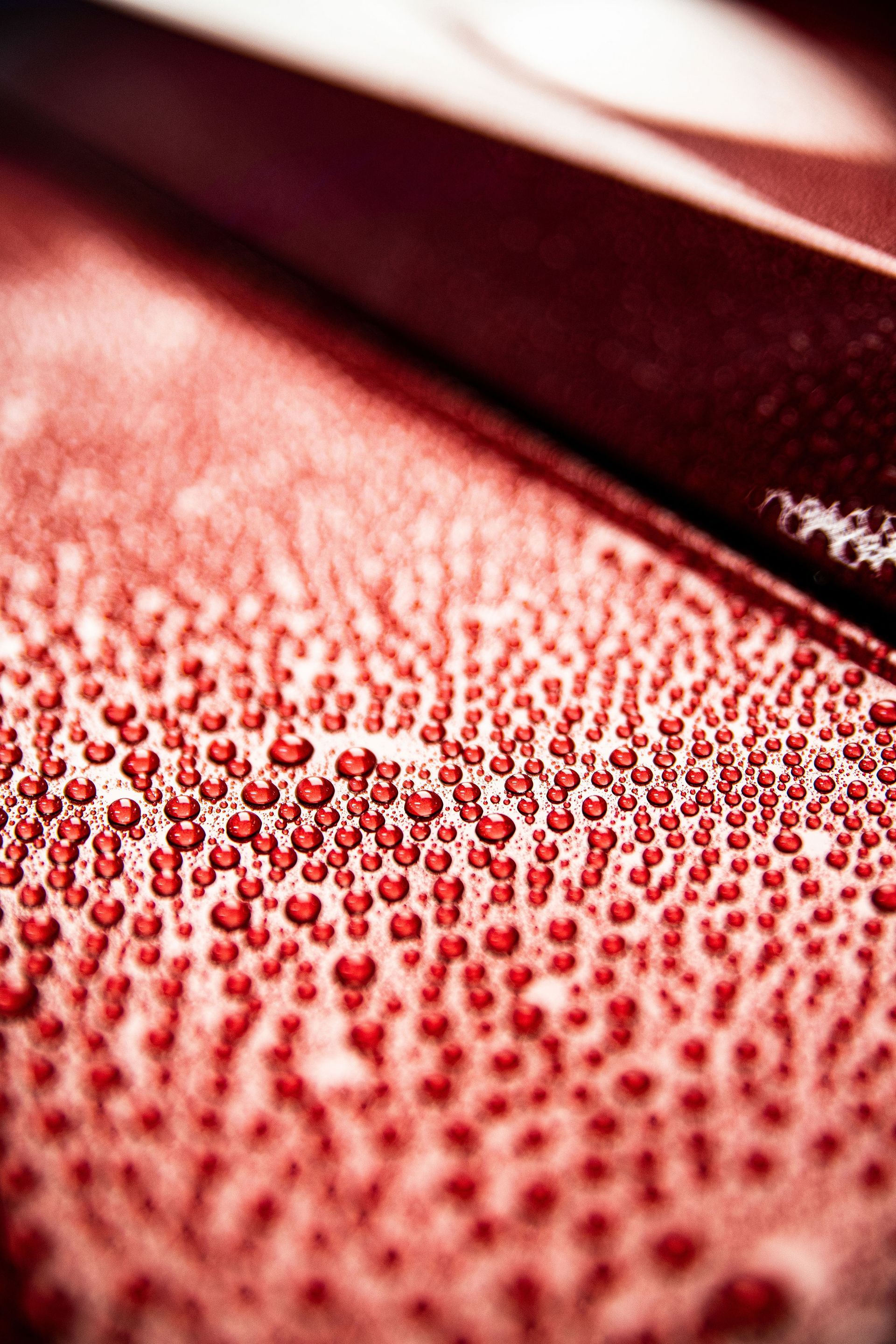
Bird droppings, tree sap, bug splatter, road tar, and industrial fallout all carry acidic or alkaline chemistry that etches into clear coat when left in contact for extended periods in warm weather. PPF's stain-resistant topcoat provides a buffer between these contaminants and the paint surface, giving drivers time to clean the contamination before permanent etching occurs. In Cornelius and the Lake Norman area where organic contamination from trees, insects, and lakeside birds is consistent across the warm months, this chemical resistance is a daily-use benefit rather than an occasional protection.
Self-Healing Surface Technology
Premium PPF products use topcoat formulations with urethane memory properties. Light scratches and swirl marks from ordinary daily driving, parking lot contact, and routine car washing displace the topcoat surface structure slightly. When heat is applied to the film through sunlight, warm water, or a heat gun, the urethane memory property causes the topcoat to return to its original smooth configuration, eliminating the visible scratch. This self-repair cycle means the film surface continuously manages minor damage accumulation without any intervention.
How Self-Healing PPF Works in Carolina Heat
North Carolina's summer temperatures create ideal self-healing conditions for any vehicle with PPF installed. The sustained afternoon heat of July and August in Cornelius pushes surface temperatures on dark-colored vehicles well above the activation threshold for premium urethane topcoats. Minor scratches that accumulate during morning commutes and mid-day parking sessions heal during the afternoon parking period as the hood and roof surface temperatures rise. This continuous cycle means the film surface on a well-maintained PPF installation in Carolina conditions looks better at the end of a hot summer than it did at the beginning.
What Determines How Long PPF Lasts
Automotive PPF lifespan is determined by four interacting factors. Understanding each one helps drivers set accurate expectations and make maintenance decisions that extend installation life.
Film Quality and Urethane Formulation
The quality of the urethane formulation determines how the film responds to impact, UV exposure, and thermal cycling across years of ownership. Premium films use urethane chemistry engineered for sustained UV resistance, adhesive stability through wide temperature ranges, and topcoat durability that holds up through thousands of self-healing cycles. Budget films use less sophisticated formulations that yellow faster under UV, lose adhesive stability through thermal cycling, and exhaust their self-healing capacity within the first few years.
Installation Environment and Technique
Film that is applied in an uncontrolled environment picks up dust particles beneath the surface, develops adhesive inconsistencies from temperature fluctuations, and fails at edges that were not pressed and sealed cleanly. Every one of these installation defects shortens lifespan regardless of how good the film product is. A climate-controlled installation bay that maintains stable temperature and humidity, combined with technician experience that produces consistently clean edges, is what allows the film's rated lifespan to be achieved in real-world use. Automotive PPF in Cornelius, NC installed by Champion Window Tinting is applied in a controlled environment with the technique that manufacturer warranty coverage requires.
North Carolina Climate and Seasonal Cycling
North Carolina's four-season climate creates broader thermal cycling conditions than many markets. The combination of summer UV intensity, summer peak temperatures, winter lows, and the freeze-thaw cycles of late winter tests film adhesive systems annually. Budget films with lower-grade adhesive chemistry begin lifting at edges within the first full seasonal cycle. Premium PPF adhesive formulations engineered for this kind of extended temperature range maintain consistent bonding through multiple Carolina winters and summers.
Maintenance Habits After Installation
Hand washing with pH-neutral automotive shampoo and a soft microfiber mitt preserves both the topcoat and the adhesive bond longer than any other washing approach. Avoid high-pressure water directed at film edges which can introduce moisture beneath the adhesive layer over time. Avoid ammonia-based cleaning products which degrade urethane adhesive chemistry. Inspect edges periodically for the early signs of lifting and address them before moisture ingress has progressed.
The Step-by-Step PPF Installation Process
Professional PPF installation follows a precise sequence of steps that each directly affect the final result. Skipping or rushing any step compromises the installation in ways that affect appearance and longevity.
Paint Correction and Surface Preparation
The installation begins with a thorough vehicle decontamination including iron fallout removal, clay bar treatment, and a two-bucket wash to remove every category of surface contamination. Any imperfection on the paint at installation time is locked beneath the film for the full lifespan of the installation. Paint correction using machine polishing removes existing swirl marks, light scratches, and oxidation before the film is applied. Champion Window Tinting performs this preparation step on every PPF installation because the quality of the surface at application directly determines both the appearance and the adhesive longevity of the finished result.
Precision Cutting and Custom Fit
Each vehicle's panels are unique in geometry, and PPF must be cut to match the specific contours of each panel on the specific make, model, and year being installed. Computer-aided cutting software generates vehicle-specific patterns that account for curves, edges, camera positions, and body line transitions. These precision patterns eliminate the hand-trimming that produces visible cut lines in amateur installations and ensure the film covers the intended area completely without gaps or overlaps.
Manual Application and Edge Wrapping
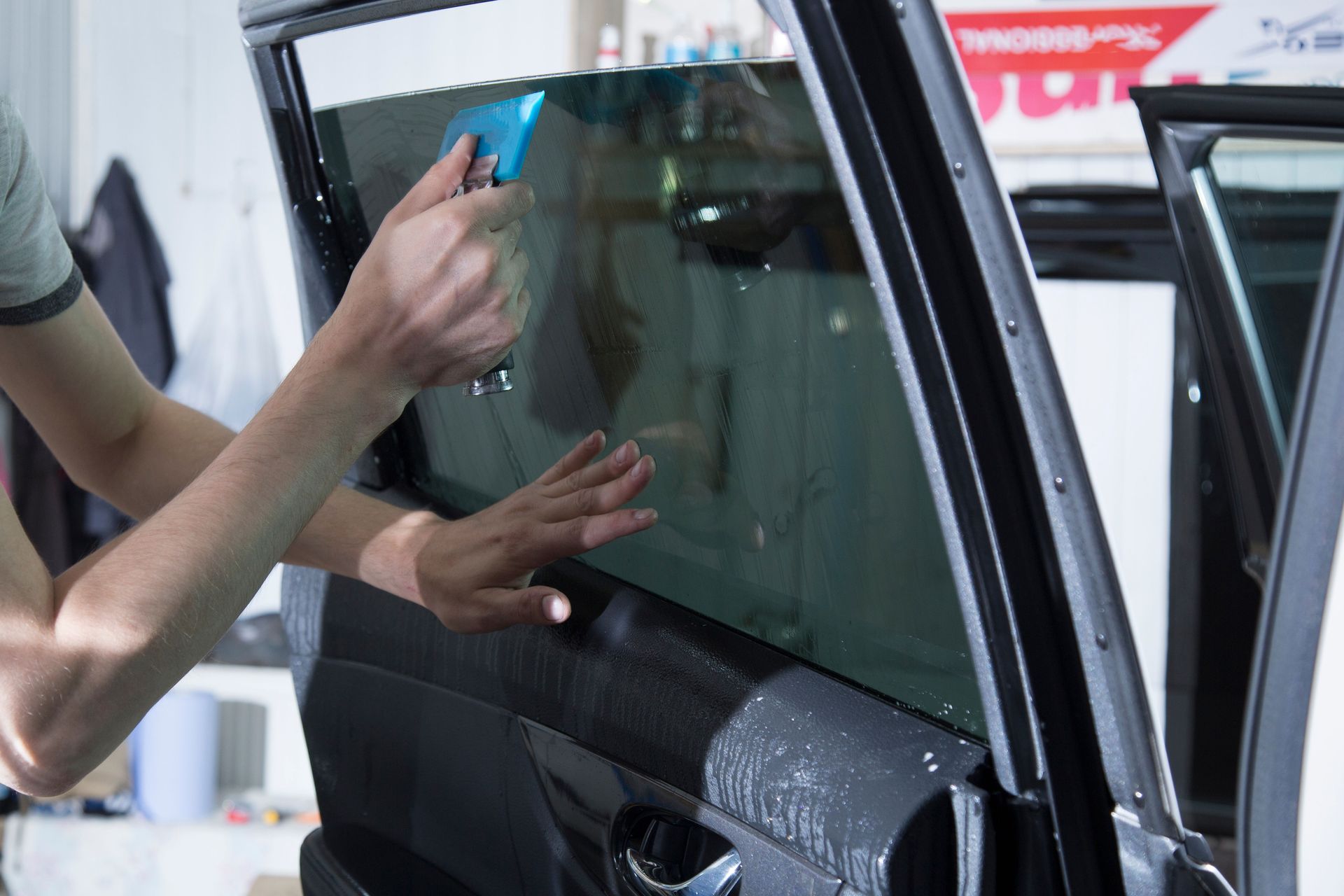
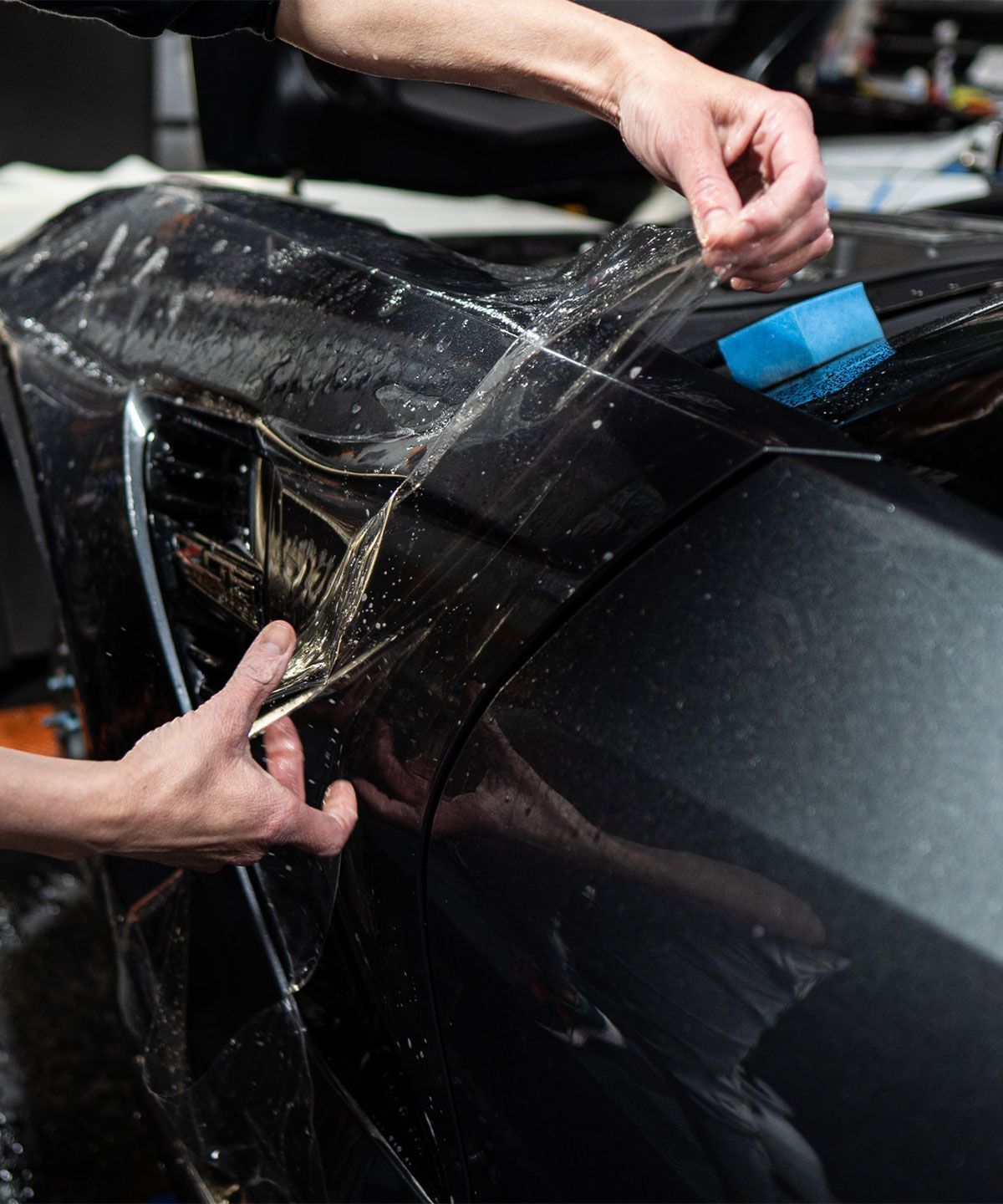
The film is applied using slip solution that allows precise positioning before the adhesive bonds. Technicians work the film over body panel curves using squeegee tools that eliminate air pockets and moisture from beneath the surface. Edge wrapping tucks the film around panel edges rather than ending at the visible surface, which creates a clean finish that is nearly invisible at normal viewing distances and prevents the edge lifting that surface-ending applications develop over time.
Curing and Post-Installation Care
After application, the adhesive requires a curing period to develop its full bond strength. Most PPF installations require the vehicle to remain dry for the first 24 to 48 hours after installation. Avoid car washes, rain exposure, and window operation during this curing window. After curing, wash gently with pH-neutral shampoo and soft cloths. Wait at least one week before any automated wash of any kind.
Why North Carolina Drivers Get More From PPF
The specific combination of road conditions and climate in the Cornelius area creates PPF value conditions that are stronger than most US markets.
Highway Debris on I-77 and Lake Norman Roads
I-77 between Cornelius and Charlotte carries heavy commercial truck traffic that generates consistent road debris at highway speeds during every commute. The local road network around Lake Norman includes rural and semi-rural roads where gravel and aggregate surface more frequently than urban streets. This combination of interstate debris exposure and local road debris creates chip accumulation rates on unprotected front panels that many drivers from less debris-intensive markets underestimate until they experience the first North Carolina summer without PPF.
Seasonal Humidity and Paint Corrosion Risk
North Carolina's sustained summer humidity creates conditions that accelerate corrosion in existing chip sites faster than dry climates. A rock chip that reaches the metal beneath the primer layer in a Cornelius vehicle begins developing rust beneath the paint surface within the first wet season when humidity keeps moisture in contact with the exposed metal consistently. PPF prevents the initial chip from occurring, which eliminates the entry point for everything that follows across years of seasonal cycling.
Why Professional Installation Outperforms DIY Every Time
DIY PPF kits are commercially available and consistently produce inferior results compared to professional installation for three reasons that apply regardless of skill level.
Computer-aided cutting patterns for specific vehicle make, model, and year are not available to DIY installers. The precision fit that prevents visible cut lines and ensures full edge coverage on compound-curved panels requires manufacturer cutting software that professional shops access through their installer certification.
Climate-controlled installation environments cannot be replicated in a home garage. Temperature and humidity fluctuations during DIY application create adhesive inconsistencies that produce bubbles, poor adhesion, and edge lifting within the first seasonal cycle.
Professional edge-wrapping technique develops across hundreds of actual installations. The hand feel for how urethane responds to squeegee pressure on each panel type is not transferable from video tutorials to first-time application on a real vehicle.
Conclusion
Automotive PPF protects vehicles through physical impact absorption, UV blocking, chemical contamination resistance, and self-healing surface technology that no other automotive protection product combines in a single installation. How long it lasts depends on film quality, installation environment, North Carolina's specific climate demands, and the maintenance habits the owner maintains after installation. Professional installation that follows the correct sequence of paint correction, precision cutting, manual application, and proper edge wrapping is what allows the film's rated lifespan and warranted performance to be achieved in real driving conditions.
For drivers across Cornelius, Davidson, Mooresville, Huntersville, and the broader Lake Norman area, automotive PPF installation Cornelius, NC installed by Champion Window Tinting delivers manufacturer-backed warranty coverage, computer-aided precision cutting, and the 24-year installation track record that consistent quality on complex vehicles requires. The right package for your vehicle starts with a conversation about your driving patterns and coverage priorities before any film is cut.
Protect Your Paint Before the Next Chip Appears.
Every mile driven on I-77 and Lake Norman roads without PPF is paint condition your vehicle cannot recover. Champion Window Tinting at 10415 Bailey Rd in Cornelius, NC installs PPF with manufacturer warranty coverage on every project. Stop by or call (980) 399-5170 to compare coverage options, see completed installations, and get a written quote that covers package scope, film product, and warranty terms before you commit.
Frequently Asked Questions
1. How long does PPF last in North Carolina's climate?
Professional-grade PPF installed correctly in Cornelius, NC typically lasts seven to ten years before showing any performance degradation. North Carolina's combination of summer UV intensity, summer peak temperatures, and seasonal humidity creates more demanding conditions than many northern markets. Premium PPF adhesive formulations engineered for extended temperature cycling maintain their bond through multiple Carolina winters and summers in ways that budget alternatives cannot.
2. Can PPF be applied to a vehicle that already has ceramic coating?
The standard installation sequence is PPF first on bare or corrected paint, then ceramic coating over the PPF and remaining paint surfaces. Installing PPF over existing ceramic coating is possible but generally not recommended because film adhesive bonds more reliably directly to paint than to a cured ceramic surface. For vehicles with existing ceramic coating, the coating in the PPF coverage zones is typically removed before film application.
3. Does PPF change the appearance of the vehicle's paint color?
Clear gloss PPF is optically transparent once installed and enhances rather than changes the factory paint color. The film adds depth and gloss to paint surfaces and is virtually invisible in normal light conditions. XPEL Stealth and similar matte PPF products do change the finish from gloss to satin matte as an intentional aesthetic modification. Any appearance change from clear gloss PPF is a manufacturing defect covered under warranty rather than an expected outcome.
4. How soon after PPF installation can I wash my vehicle?
Most PPF installations require a 24 to 48 hour dry curing period during which the vehicle should not be washed, exposed to rain, or have windows operated. After the initial curing window, hand washing with pH-neutral automotive shampoo is recommended for the first week before returning to normal washing routines. Automated car washes should be avoided for at least two weeks after installation and used sparingly thereafter to protect film edges from high-pressure water ingress.
5. Is it worth installing PPF on an older vehicle in Cornelius, NC?
Yes, on any vehicle with paint in reasonable condition and meaningful remaining useful life. Paint correction before installation adds cost that increases with the severity of existing defects but the combination of corrected paint plus PPF delivers superior appearance and protection compared to leaving older paint unprotected for additional years of accumulation. The only scenario where PPF investment does not make financial sense on an older vehicle is when the planned ownership period is shorter than the cost recovery horizon of the installation.
Articles from the Champion Window Tinting Blog
Champion Window Tinting Services