Ceramic coating is one of the most searched automotive protection topics and one of the most inconsistently explained. Ask three different shops what ceramic coating is and you will likely get three different answers that vary in chemistry, lifespan claims, and what the product actually does versus what it cannot do. For drivers in Cornelius, NC and around Lake Norman who are considering ceramic coating for the first time or comparing it against PPF and other protection options, understanding what the product genuinely is, what it delivers, and where its limits are makes the investment decision straightforward rather than confusing.
This guide covers the chemistry behind ceramic coating, the specific benefits it delivers, the realistic lifespan expectations for different product tiers, why professional installation from a qualified shop matters more than most drivers initially expect, and why the Cornelius and Charlotte area climate makes ceramic coating a more valuable investment than the same product delivers in milder markets. Champion Window Tinting has been applying ceramic coating in Cornelius, NC since the shop opened at 10415 Bailey Rd and the explanation here reflects what the product actually does rather than what marketing language suggests it does.
What Ceramic Coating Actually Is
Ceramic coating is a liquid polymer that chemically bonds to the clear coat of a vehicle's painted surface when applied and cured correctly. The result is a hard, semi-permanent protective layer that sits on top of the clear coat and acts as a sacrificial barrier between the factory paint and the environmental threats that accumulate damage across every year of vehicle ownership.
The Chemistry Behind Ceramic Coating
Most professional ceramic coatings are formulated around silicon dioxide (SiO2), often combined with titanium dioxide (TiO2) in premium formulations. These compounds are the same materials used in glass and ceramics manufacturing because of their hardness, heat resistance, and UV stability properties. When the liquid coating is applied to a prepared paint surface and begins to cure, the SiO2 molecules crosslink with the clear coat surface and with each other, forming a nano-ceramic matrix that is significantly harder than the clear coat alone.
The cured ceramic layer has a Mohs hardness rating that exceeds typical automotive clear coat, which is why it resists the minor abrasions and swirl marks that degrade unprotected paint during routine washing and drying. The same chemical structure that creates this hardness also creates the hydrophobic surface properties that are the most immediately visible benefit of the coating.
How Ceramic Coating Differs From Wax and Paint Sealant
Wax is a natural or synthetic compound that sits on the surface of the paint without forming a chemical bond. It provides a temporary barrier against water and light contamination that wears away through washing, heat, and UV exposure within four to eight weeks. Reapplication is required continuously to maintain any level of protection.
Paint sealants are synthetic polymer products that last longer than wax, typically three to six months, but also sit on the surface without chemical bonding. Both wax and sealant offer some gloss enhancement and basic water beading, but neither delivers meaningful UV blocking, chemical contamination resistance, or the semi-permanent durability of a properly applied ceramic coating.
Ceramic coating forms a chemical bond with the clear coat rather than sitting on it. This bond does not wash away in rain, fade in UV, or wear off from normal vehicle use. It stays in place as an active protective layer until it is professionally removed or reaches the end of its warranted lifespan.
What Ceramic Coating Does for Your Vehicle
Understanding the specific benefits of ceramic coating helps drivers evaluate whether the investment matches their ownership goals and driving situation.
Hydrophobic Properties and What They Mean in Practice
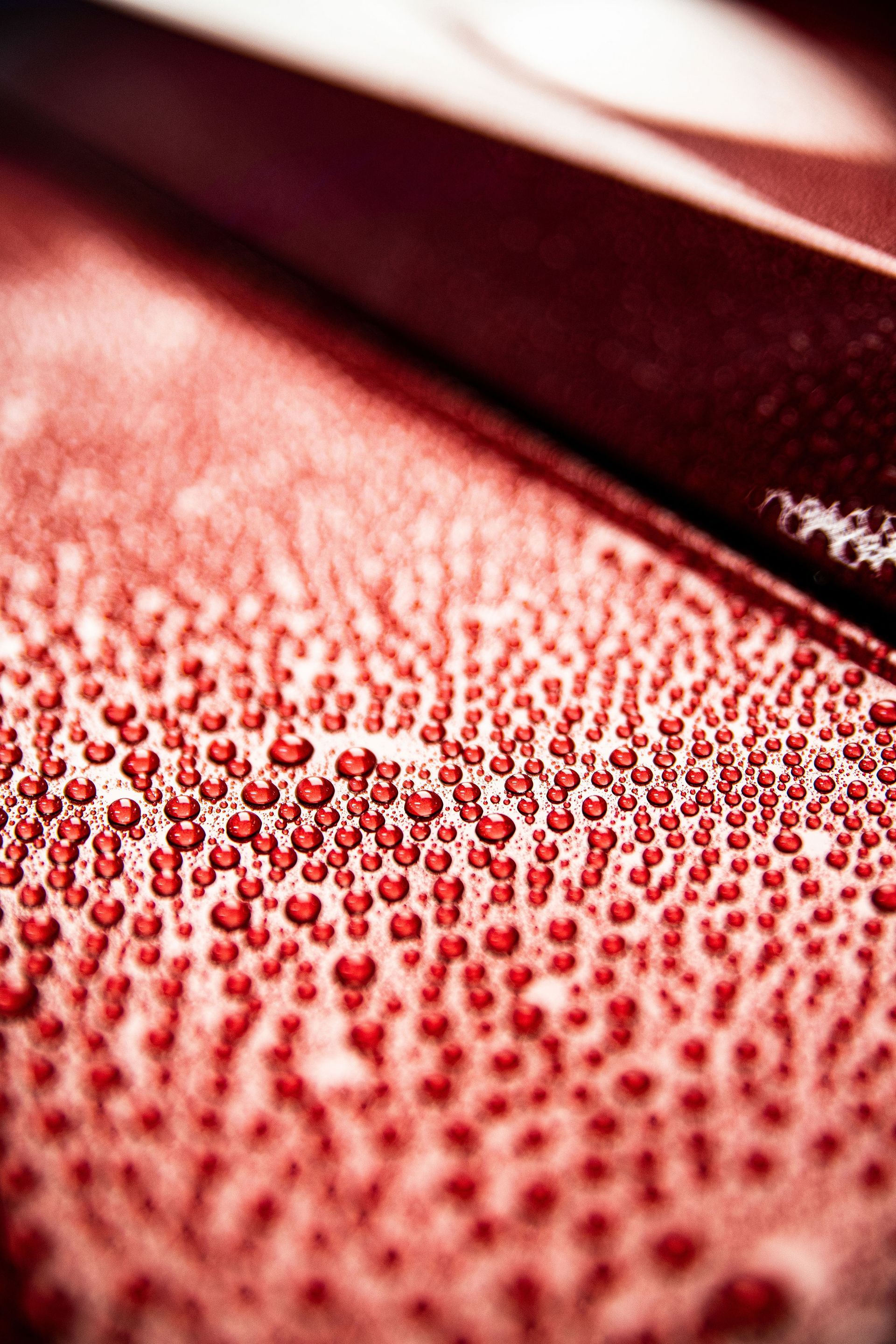
The hydrophobic surface of a ceramic-coated vehicle causes water to bead into tight droplets and roll off the surface carrying loosely attached contamination with it. Rain water, car wash water, and even morning dew shed from a ceramic-coated surface much more completely than from bare paint or wax-treated paint. The practical implication is that contamination bonds less aggressively to the surface between washes, which means each wash removes more total contamination with less effort and less risk of inducing swirl marks from scrubbing harder to remove stuck-on grime.
For daily drivers in the Cornelius and Charlotte metro area who park outdoors regularly and contend with Lake Norman area pollen, summer insects, and afternoon thunderstorm dust deposits, the maintenance reduction from ceramic coating hydrophobic properties is a daily-use benefit rather than an occasional convenience.
UV Protection Through North Carolina's Long Sun Season
Ceramic coating blocks UV radiation from reaching the factory paint beneath it. North Carolina's UV season runs from March through October with UV index values regularly reaching 8 to 10 during peak summer months. This sustained UV exposure causes the clear coat oxidation and color fading that makes unprotected vehicles look older than their actual age across five to seven years of outdoor parking.
The UV inhibitor chemistry in professional ceramic coatings is engineered to maintain its blocking effectiveness for the full warranted lifespan of the product. Unlike wax UV protection that disappears within weeks, ceramic coating UV blocking works continuously across every sunny day of every Carolina season throughout the warranty period.
Chemical Contamination Resistance
Bird droppings, tree sap, bug splatter, road tar, and industrial fallout all carry acidic or alkaline chemistry that etches into automotive clear coat when left in contact for extended periods in warm weather. The longer the contamination sits, particularly in the high-temperature Carolina summer conditions, the deeper the etching penetrates before it can be addressed.
Ceramic coating creates a chemically resistant barrier between these contaminants and the factory paint. The hard ceramic surface resists the etching process, providing a buffer period during which the contamination can be cleaned before permanent damage occurs. In the Lake Norman area where organic contamination from lakeside trees, insects, and birds is consistent across the warm months, this chemical resistance is one of the most practically relevant daily benefits of ceramic coating.
Gloss Enhancement and Optical Depth
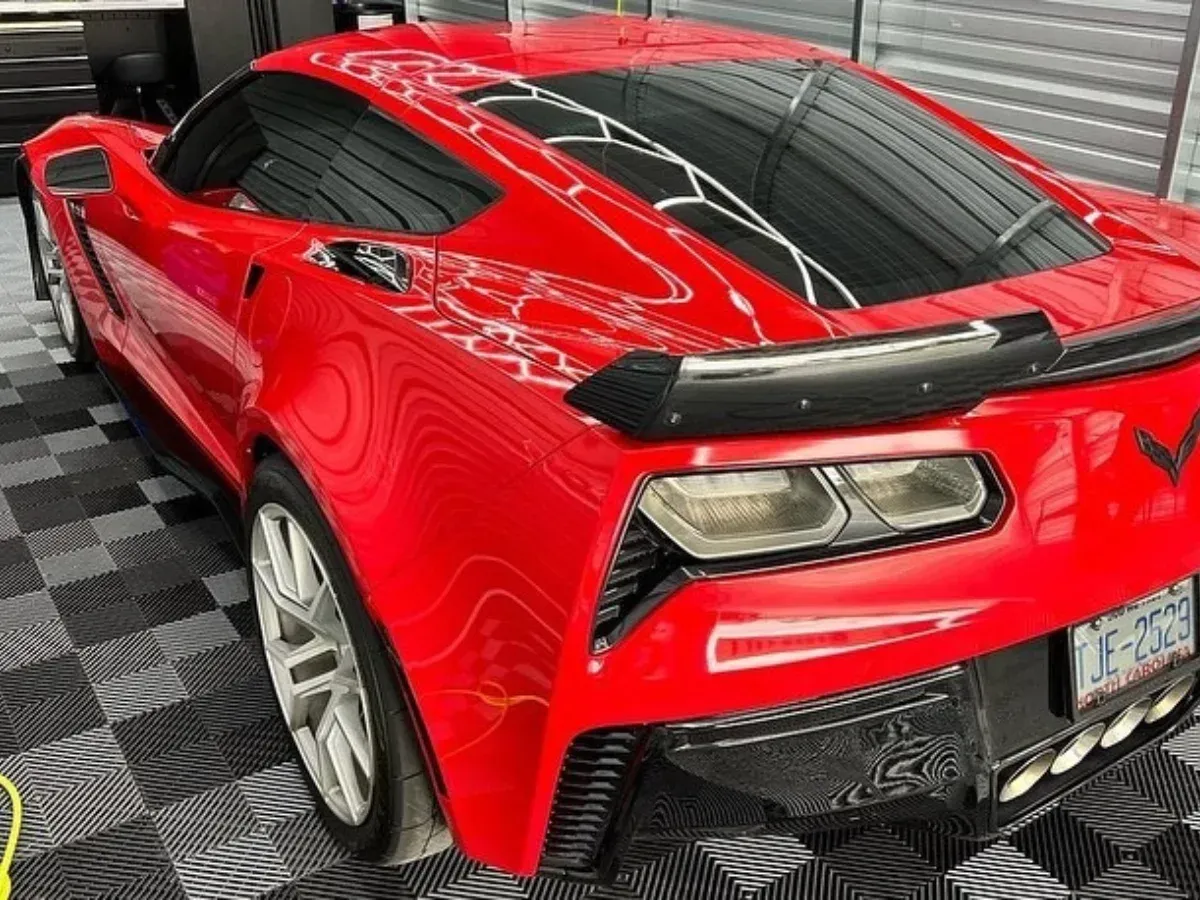
Professional ceramic coating enhances the optical depth and gloss of factory paint in ways that wax and sealant cannot replicate. The ceramic layer fills microscopic surface texture in the clear coat and creates a uniformly smooth surface that reflects light more consistently and deeply than uncoated clear coat. The result is a gloss level that makes the paint appear richer, deeper, and more vivid than it did before the coating was applied.
This gloss enhancement is not a surface shine effect that fades after the first wash. It is the optical consequence of the coating's physical smoothness and chemical clarity, and it persists throughout the coating's lifespan as long as the surface is maintained correctly.
What Ceramic Coating Does Not Do
Equally important to understanding what ceramic coating delivers is understanding what it does not do. This is where the most common disappointment with ceramic coating originates.
Why Ceramic Coating Does Not Stop Rock Chips
Ceramic coating adds a hard but thin protective layer measured in microns. A rock chip impact from highway debris at commuting speed generates enough energy to penetrate through the ceramic layer and the clear coat beneath it in the same way it would on an uncoated vehicle. The ceramic hardness resists minor surface abrasion and swirl marks but does not absorb the kinetic energy of a physical impact.
For Cornelius drivers who commute on I-77 and I-485 where commercial truck traffic creates sustained rock chip exposure, ceramic coating alone does not address the most significant physical damage risk. Paint Protection Film is the product that physically absorbs impact energy before it reaches the paint, and the combination of PPF on high-impact front panels with ceramic coating over the full vehicle is the most comprehensive protection approach available.
How PPF and Ceramic Coating Work Together
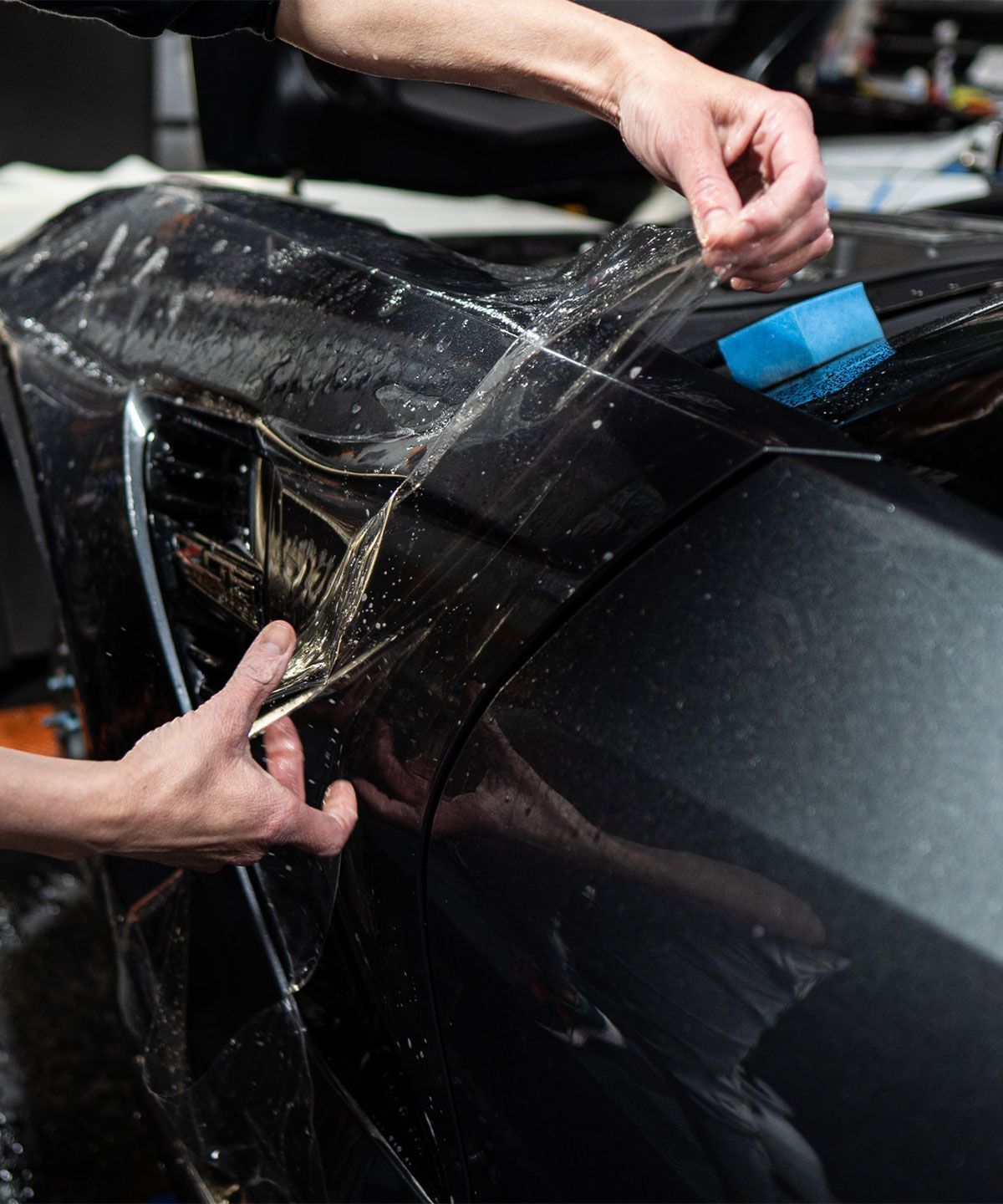
PPF and ceramic coating are not competing products. They address different damage categories and work most effectively when used together. PPF on the front bumper, hood, fenders, and mirrors absorbs physical debris impacts. Ceramic coating over the full vehicle including on top of the PPF where applicable adds chemical resistance, UV blocking, hydrophobic maintenance reduction, and gloss enhancement to every surface simultaneously. Champion Window Tinting offers both services and regularly recommends the combined approach for new vehicles and any vehicle where maximum long-term preservation is the goal.
How Long Ceramic Coating Actually Lasts
Lifespan is where the most misleading marketing language appears in ceramic coating discussions. Here is a realistic breakdown.
Coating Tier and Product Quality
Entry-level professional ceramic coatings from established manufacturers last two to three years under Carolina conditions with proper maintenance. Mid-tier professional coatings last three to five years. Premium multi-year coatings from quality manufacturers last five to seven years or more. Some manufacturers offer warranty coverage of seven to ten years on their top-tier products for installations performed by certified shops.
Consumer-grade ceramic sprays from retail stores last weeks to a few months at most. They use diluted formulations that do not produce the chemical bond strength of professional products and provide temporary shine improvement rather than durable protection.
Maintenance Habits and Lifespan
How a ceramic-coated vehicle is maintained directly affects how close to the rated lifespan the coating actually achieves. Hand washing with pH-neutral automotive shampoo and a soft microfiber mitt preserves the ceramic surface far better than automatic car wash brushes that introduce micro-abrasions across every wash cycle. Ammonia-based glass cleaners and harsh degreasers degrade ceramic coating chemistry when they contact the coated surfaces. Annual maintenance booster applications refresh the outermost sacrificial layer that absorbs environmental exposure, which extends the full-coat performance across additional seasons.
North Carolina Climate and Coating Durability
North Carolina's combination of summer UV intensity, summer temperatures, and seasonal humidity creates thermal cycling conditions that test coating adhesion annually. Professional-grade ceramic products from established manufacturers are formulated for this kind of temperature range, maintaining consistent bonding through the full seasonal cycle from Carolina winters to summers. Consumer-grade and low-tier professional products begin showing performance degradation from hydrophobic loss and micro-cracking within the first two to three seasons under Carolina conditions.
Professional vs DIY Ceramic Coating
Consumer ceramic coating products are commercially available and consistently underperform professional installations for reasons that apply regardless of application skill level.
Why Professional Grade Products Outperform Retail Alternatives
Professional ceramic coatings use significantly higher SiO2 concentrations and more sophisticated crosslinking chemistry than retail sprays. The higher SiO2 content produces a harder, more chemically bonded layer that lasts years rather than months. The advanced crosslinking chemistry creates a more complete bond with the clear coat surface that resists separation from thermal cycling and UV degradation in ways that diluted retail formulations cannot replicate. Professional products are sold exclusively through certified installer networks because the application requires surface preparation and technique that ensures the chemistry performs as specified.
Why Installation Environment and Technique Matter
Ceramic coating application is sensitive to temperature, humidity, and surface contamination in ways that DIY application in a home garage cannot consistently control. Dust particles that settle on the surface during application become permanently embedded in the cured coating. Temperature fluctuations affect how quickly the coating flashes during application and how uniformly it cures during the initial hardening period. High ambient humidity during application can affect the crosslinking process in ways that reduce adhesion strength. Professional installation in a climate-controlled bay eliminates all of these variables, which is why professional installations consistently achieve rated lifespan while DIY applications often fall well short.
The Ceramic Coating Application Process Overview
Understanding the professional application process helps drivers evaluate whether a shop they are considering is doing the work correctly.
Surface Preparation and Paint Correction
Professional ceramic coating begins with thorough vehicle decontamination including iron fallout removal, clay bar treatment, and a two-bucket wash that removes every category of surface contamination. After decontamination, paint correction using machine polishing removes existing swirl marks, light scratches, and oxidation from the clear coat. The ceramic layer bonds to whatever surface condition exists at application time, so applying coating over defects locks them in permanently. Champion Window Tinting performs paint correction before every ceramic coating application because the quality of the starting surface directly determines the appearance and adhesion quality of the finished result.
Coating Application and Curing
After paint correction, each panel is wiped with a dedicated panel preparation product that removes any remaining polish residue or contamination. The liquid ceramic coating is then applied to each panel in controlled passes using a foam or suede applicator. As the coating begins to flash and cure, a clean microfiber towel levels the product and removes the carrier solvent. The vehicle then enters a curing period of 24 to 48 hours during which it must remain dry for the initial bond to develop fully. Full chemical cure takes two to four weeks depending on temperature and humidity conditions.
Why Ceramic Coating Makes More Sense in Cornelius NC
The specific climate and driving conditions around Cornelius and Lake Norman make ceramic coating a more valuable investment here than in many other markets.
North Carolina UV Season and Paint Degradation
The March through October UV season in Cornelius delivers sustained high-UV exposure that accumulates visible paint degradation faster than northern markets. Vehicles parked outdoors through multiple Carolina summers without ceramic coating develop the oxidation and color fading that ages the appearance beyond what routine washing can address. Ceramic coating in Cornelius, NC creates a continuous UV barrier that works every day of every season across the full warranted lifespan of the product, compounding its protection value across each additional year of ownership.
Lake Norman Humidity and Contaminant Exposure
The Lake Norman area's combination of lakeside humidity, abundant tree coverage, and active insect seasons creates a contaminant exposure profile that tests unprotected paint consistently. Tree sap, pollen, and organic contamination bond to warm paint surfaces during spring and summer months and require chemical cleaning that wears at unprotected clear coat over time. Ceramic coating's chemical resistance and hydrophobic properties reduce the adhesion of these contaminants, which makes each cleaning cycle gentler and less abrasive than cleaning unprotected paint that the same contamination has bonded to more aggressively.
Is Ceramic Coating Right for Your Vehicle
Ceramic coating delivers the most value for drivers who plan to keep a vehicle for three or more years, park primarily outdoors, drive in UV-intensive climates like the Carolina market, and want to reduce the time and effort of routine vehicle maintenance without sacrificing appearance quality. It delivers proportionally similar value across vehicle price points because paint degradation affects any vehicle driven in North Carolina regardless of whether it costs 25,000 or 150,000 dollars.
Ceramic coating is not the right first choice for drivers whose primary protection concern is highway rock chip damage, for vehicles at the end of their planned ownership period where the investment payback horizon is too short, or for vehicles with paint in poor condition that has not been corrected first.
Common Ceramic Coating Myths
Ceramic coating makes your car scratch-proof. Ceramic coating resists minor surface abrasions and swirl marks but does not prevent deeper scratches or rock chip damage. The hardness of the coating protects against the micro-abrasions from washing and light contact while the physical impact resistance of PPF addresses the more significant chip and scratch categories.
Ceramic coating never needs maintenance. Ceramic coating requires regular washing with appropriate products and annual maintenance booster applications to achieve rated lifespan. Neglected ceramic coating that never receives maintenance booster treatment loses its hydrophobic properties progressively and reaches end-of-life faster than the warranty period.
DIY ceramic spray delivers the same result for less money. Consumer ceramic sprays use diluted formulations that provide temporary gloss enhancement rather than the durable chemical bond of professional products. The per-year cost of repeatedly applying consumer sprays to maintain any level of protection typically exceeds the per-year cost of a single professional installation over a five-year ownership period.
Ceramic coating eliminates the need for PPF. Ceramic coating and PPF address different damage categories. Ceramic coating handles UV, chemical contamination, and maintenance efficiency. PPF handles physical impact absorption. Neither product replaces the other for drivers who want comprehensive paint protection from both categories of damage.
Conclusion
Ceramic coating is a chemically bonded protective layer that delivers UV blocking, hydrophobic surface properties, chemical contamination resistance, and gloss enhancement across a multi-year lifespan that wax and paint sealant cannot approach. For Cornelius, NC and Lake Norman area drivers, the Carolina UV season, lakeside humidity, and organic contaminant exposure make ceramic coating more actively protective on more driving days per year than in milder markets.
Understanding what the product genuinely delivers, where its limits are, and why professional installation from an established shop matters is what separates a satisfying ceramic coating investment from a disappointing one. Ceramic coating in Cornelius, NC applied by Champion Window Tinting follows the full professional process, uses professional-grade products with manufacturer warranty coverage, and is performed by the certified technicians who have been protecting Lake Norman area vehicles since 2001.
Ready to Get Ceramic Coating Done Right in Cornelius, NC?
Professional preparation, premium products, and manufacturer warranty coverage are what separate a ceramic coating that performs for years from one that disappoints within months. Champion Window Tinting at 10415 Bailey Rd in Cornelius, NC walks every driver through the coating options, explains what each tier delivers, and provides a written quote before any work begins. Stop by or call (980) 399-5170 to see coating samples, discuss your vehicle's specific condition, and find out which ceramic package fits your driving situation and ownership goals.
Frequently Asked Questions
1. How long does ceramic coating last in North Carolina's climate?
Professional-grade ceramic coating in Cornelius, NC lasts two to seven years depending on the product tier, with premium manufacturer-backed products reaching five to seven years or more with proper maintenance. North Carolina's sustained UV season and summer humidity are more demanding than northern markets, which is why product tier and professional installation quality matter more here than in milder climates. Consumer-grade ceramic sprays last weeks to a few months in Carolina conditions regardless of how well they are maintained.
2. Does ceramic coating require special maintenance after application?
Yes. Hand washing with pH-neutral automotive shampoo and a soft microfiber mitt is the recommended approach for ceramic-coated vehicles. Avoid ammonia-based glass cleaners, harsh degreasers, and automatic car wash brushes that introduce micro-abrasions across every wash cycle. Annual maintenance booster product application refreshes the outermost sacrificial layer and extends full-coat hydrophobic performance across additional seasons. Champion Window Tinting provides written aftercare guidance with every ceramic coating installation.
3. Can ceramic coating be applied to a vehicle with existing paint damage?
Ceramic coating can be applied to any vehicle but paint correction is required first on vehicles with existing swirl marks, light scratches, or oxidation. The coating bonds to whatever surface condition exists at application and preserves that condition for the full warranted lifespan. Applying coating over defects seals them permanently beneath the protection layer. The cost of paint correction before application increases with the severity of existing damage, which is why early installation on well-maintained paint is always more cost-effective.
4. What is the difference between ceramic coating tiers at Champion Window Tinting?
Different coating tiers deliver different SiO2 concentrations, different hardness ratings, different chemical resistance levels, and different warranted lifespans. Entry-level professional coatings provide real protection at accessible price points with two to three year expected lifespan. Premium tiers use more sophisticated chemistry for stronger bonding, harder surface layers, and extended warranty coverage of five years or more. The right tier depends on the vehicle type, planned ownership period, and how much the owner wants to reduce ongoing maintenance requirements.
5. How soon after a new vehicle purchase should ceramic coating be applied?
Within the first month of ownership is the optimal window. Factory-fresh paint requires minimal or no correction before coating application, which reduces preparation cost and ensures the coating begins from the best possible starting condition. Every month of unprotected driving accumulates swirl marks from washing, minor surface contamination, and UV degradation that either require correction before coating or get locked in beneath the coating if correction is skipped. The drivers who get the most value from ceramic coating are the ones who install it before any damage has accumulated.
Articles from the Champion Window Tinting Blog
Champion Window Tinting Services